Best Time To Visit Lisbon: Months, Crowds And Tour Seasons
Lisbon is a year-round city, but the month you pick changes everything: the temperature, the crowds, which festivals are on and which tours make sense. Here is the honest breakdown.
Short answer
The best time to visit Lisbon is May, June, September or early October: days sit in the low to mid 20s Celsius, rainfall stays light and the peak summer crowds have not yet arrived or have already gone. July and August are hottest and busiest; November and December are mild but wet.
July in Lisbon averages 2.9 mm of rain across the entire month; November averages 114.6 mm. That spread is the whole story of timing a trip here. The month you pick changes the temperature, the crowds, which festivals are on and which tours make sense: July and August deliver heat in the high 20s but also the thickest crowds at Sintra's palaces and the steepest accommodation prices, while November brings the year's heaviest rain but empty museum halls and short queues at the Jeronimos cloister. The month pages on this site, from January through December, break down each one in detail; this guide compares them so you can pick.
Timing also decides which tours actually make sense. The small-group Sintra full-day tour with hotel pickup runs in every season, but a sunset sailing trip feels different in a 21-degree evening than in a 9-degree one, and the e-bike climbs up to the viewpoints are a different proposition in August heat. The season-by-season notes below draw on the tour listings, the official climate record and the event calendar.
What Is The Best Time To Visit Lisbon Overall?
The best time to visit Lisbon is the shoulder window of May, June, September and early October. Typical daily highs run from about 22 to 27 degrees Celsius, monthly rainfall is between roughly 5 and 51 mm, and the August crowd peak has either not arrived or has drained away. You still get long evenings for a sunset cruise or a fado show, and the palaces at Sintra are open on their full schedules.
The reason is simple arithmetic. Lisbon's summer is genuinely hot: the official 1991 to 2020 climate normals from the IPMA, the Portuguese weather service, put the average daily maximum at 28.3 degrees in July and 29.0 in August, with almost no rain. That is beach weather, and it is also the weather in which climbing the Alfama hills at midday is punishing and the Pena Palace shuttle queue is at its longest. Winter, by contrast, is mild rather than cold: average highs stay between 14.4 and 15.7 degrees from December to February, but rainfall rises to around 95.9 to 114.6 mm per month, which is when a rainy-day plan matters.
Shoulder months split the difference. May averages a 22.8-degree high with about 50.7 mm of rain; September averages 26.8 degrees with about 35.9 mm. Both are warm enough for the riverside e-bike ride to Belem and cool enough that a three-hour food walk does not become an endurance test. If you want the full detail for a specific month, the Lisbon Portugal Tours month-by-month series covers each one, the things to do in Lisbon guide helps once you have picked your dates, and the winter and summer pages cover the two extremes in depth.
One planning note that applies year-round: the Gloria, Bica and Lavra funiculars and the Santa Justa lift are closed to passengers, while the Graca funicular runs again; check Carris for the current status if your route depends on them.
How Does Lisbon Weather Change Month By Month?
Lisbon has hot, dry summers and mild, wetter winters, with a sharp transition between them. Average daily highs climb from 14.4 degrees in January to 29.0 in August, then fall back, while rainfall peaks in October and November at about 102.9 and 114.6 mm and nearly disappears in July and August. Spring and autumn sit between the two extremes and are the most comfortable for walking-based tours.
The table below is built from the official IPMA climate normals for the Lisboa / Gago Coutinho station, the standard 1991 to 2020 reference record. Treat the figures as long-term averages, not forecasts: any individual week can run hotter or wetter.
| Month | Avg daily high (C) | Avg daily low (C) | Typical rainfall (mm) |
|---|---|---|---|
| January | 14.4 | 7.8 | 95.9 |
| February | 15.7 | 8.4 | 71.2 |
| March | 18.4 | 10.3 | 66.7 |
| April | 19.9 | 11.8 | 63.4 |
| May | 22.8 | 14.1 | 50.7 |
| June | 26.1 | 16.5 | 13.4 |
| July | 28.3 | 18.0 | 2.9 |
| August | 29.0 | 18.5 | 5.0 |
| September | 26.8 | 17.4 | 35.9 |
| October | 22.6 | 14.9 | 102.9 |
| November | 17.6 | 11.2 | 114.6 |
| December | 14.9 | 8.7 | 100.0 |
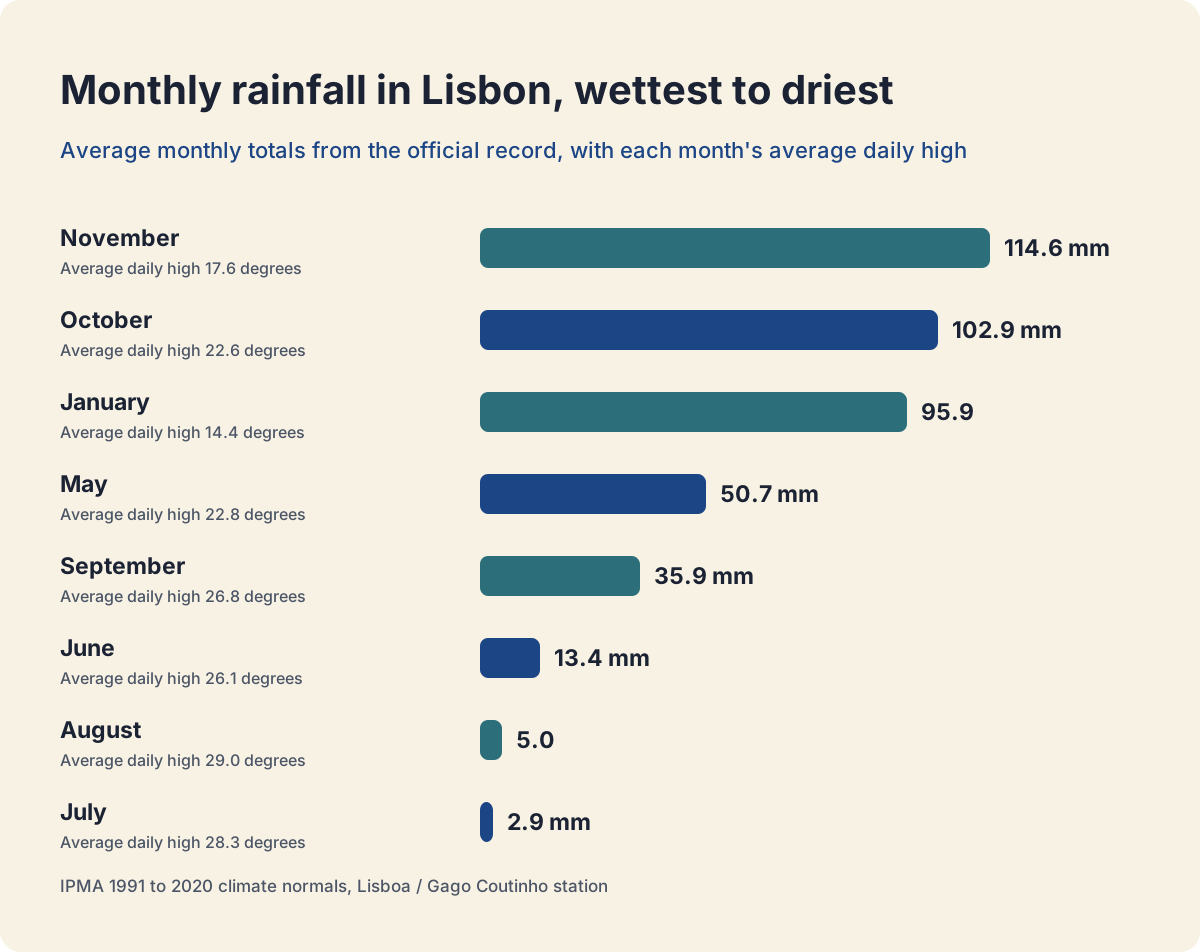
Reading the two lines together tells you where the sweet spots are. June is close to a perfect compromise: a 26.1-degree average high and only about 13.4 mm of rain across the whole month, plus the longest evenings of the first half of the year. October looks warm on paper at 22.6 degrees, but it is actually one of the wettest months at about 102.9 mm, so pack a light rain layer even though most days will not need it. The full data source is the IPMA climate normals publication if you want the underlying record.
For the month-by-month practicalities, each month has its own page: January, February, March, April, May, June, July, August, September, October, November and December.
Which Months Have The Fewest Crowds?
The quietest months in Lisbon are January, February, November and early December, when hotel rates drop, the palaces are easy to book and museum queues are short. October is often promoted as shoulder season but sits closer to the busy end, while July and August are the peak. If avoiding crowds is your main goal, November is the strongest single pick: mild, quiet, and well before the Christmas visitors arrive.
Crowd pressure in Lisbon is not evenly spread across a week or even a day. The Sintra palaces are busiest from late morning to mid afternoon, which is exactly why the small-group Sintra day tours that leave Lisbon with hotel pickup around 8 or 9 am are worth their price in summer: they put you at the Pena gate before the independent travellers arriving on the 40-minute train from Rossio have even reached the hill. One recent guest on the small-group Sintra full-day tour called it "Nothing short of FANTASTIC. One of the BEST group experience's we've all had in Portugal!"
The same logic applies inside the city. The Jeronimos cloister is closed on Mondays and open Tuesday to Sunday from 9:30 to 17:30, with the official adult ticket at 18 EUR and the Belem Tower adult ticket at 15 EUR; on a July afternoon the queue for both is long, and in November you can often walk in. The official monuments page lists the current hours and closures before you plan a winter visit around them.
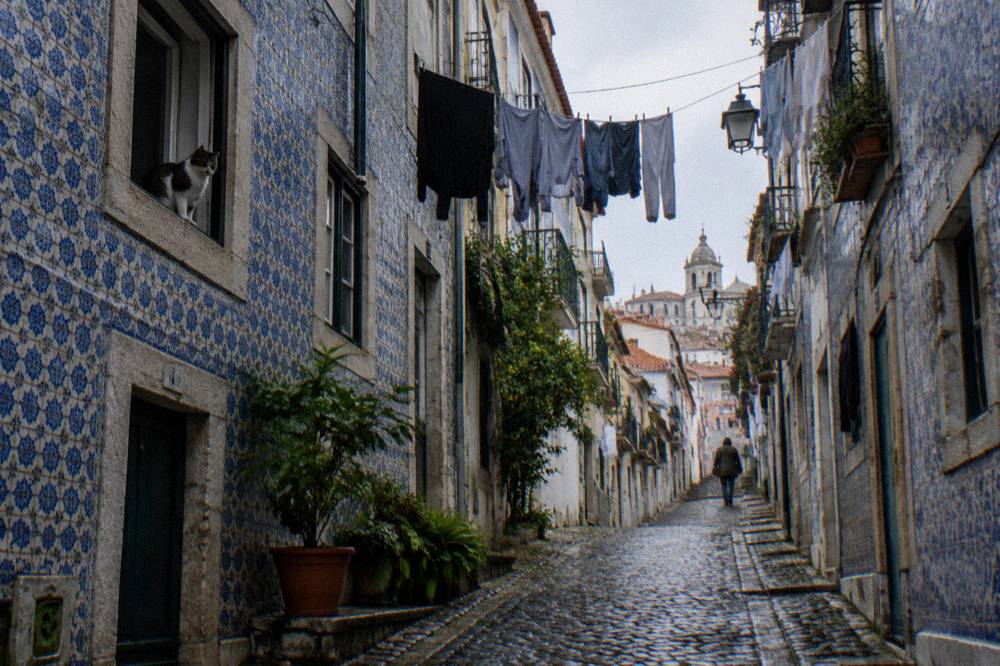
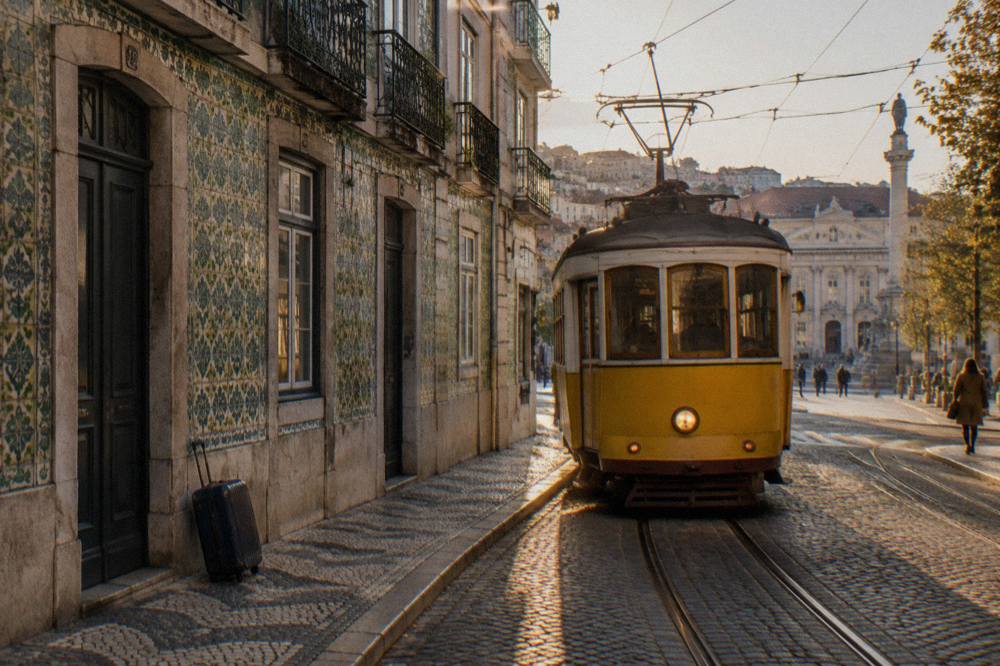
A few crowd-specific notes worth knowing whatever month you pick. Tram 28 runs on its normal route and a single on-board ticket is 3.30 EUR, while a pre-bought Carris or Metro ticket is 1.90 EUR and a 24-hour pass is 7.25 EUR, per the Carris price table; the tram is packed in summer and far easier to board outside the peak months. Pickpocketing is reported as common on the tram and in the Baixa and Alfama tourist flows, so keep bags closed and in front regardless of season. And the free, tip-based walking tours that meet in the centre run all year, though in January and February you will share your guide with a much smaller group.
Which Tours Suit Which Season?
Outdoor, full-day tours suit spring and autumn departures: the Sintra full-day small-group trip, the Arrabida wine day and the e-bike rides all work best outside the July and August heat. Indoor and evening formats, fado shows, the tile painting workshop and the pastel de nata baking class, are season-proof picks for a wet winter day. Sunset cruises work in every month but are best from May to September.
The table below matches the main tour families on this site to the seasons where they earn their price. It is built from the roster's own durations, formats and inclusions, not operator promises.
| Tour type | Example from the roster | Best season | Why |
|---|---|---|---|
| Sintra full-day small group | Max 8 Sintra Full-Day, from €70, 8 hours, 4.9 from 4,938 reviews | Spring and autumn | Timed Pena tickets are easier to get and the park walk is cooler |
| Sunset sailing | Sunset Sail With Wine, from €55, 2 hours, max 12, 4.9 from 2,921 reviews | May to September | Warm evenings on the water; earlier sunsets in winter shorten the golden hour |
| Fado show | Fado and Wine, 50 minutes, from €15, 4.8 from 7,184 reviews | All year, ideal in winter | Indoors, evening, unaffected by weather |
| Food and wine walk | Undiscovered Lisbon Food and Wine Tour, from €104, 3.5 hours, max 12, 5.0 from 8,702 reviews | Spring and autumn | Three and a half hours on foot is comfortable away from peak heat |
| E-bike tour | City Highlights and Viewpoints E-Bike Tour, from €29, 3 hours, 4.9 from 2,241 reviews | March to June, September | The hill climbs are punishing in August heat |
| Baking class | Pastel de Nata Baking Class, from €65, 1.5 hours, 4.9 from 270 reviews | All year, ideal in winter | Indoors, short, and a good rainy-day anchor |
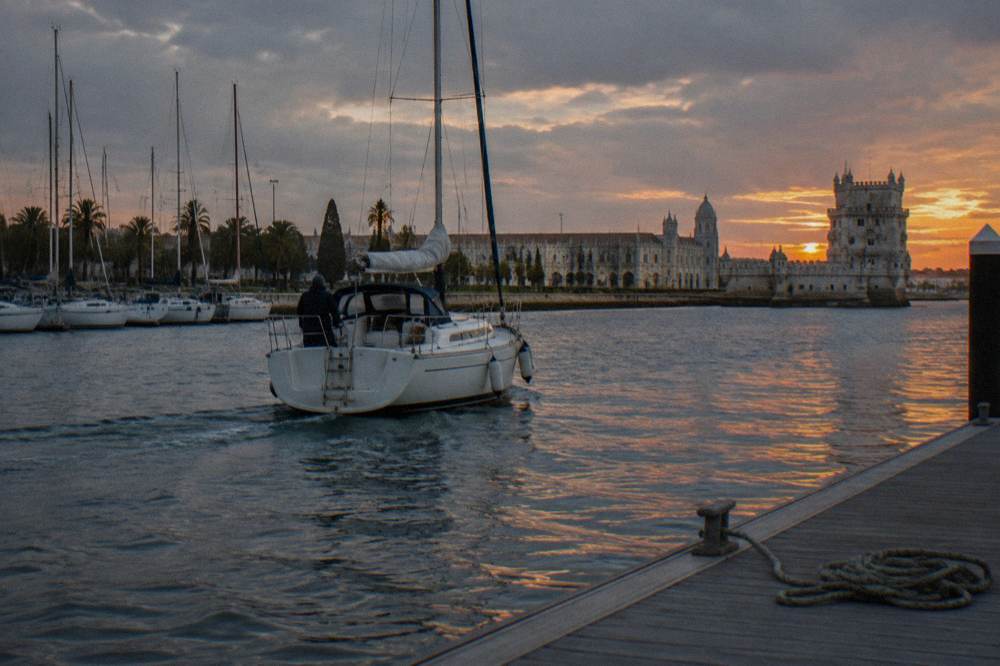
Two seasonal details matter for the bigger days out. First, the Pena Palace interior uses timed, date-reserved tickets, and the official Essential Visit adult ticket is 20 EUR; summer dates sell out far ahead of winter ones, so in July and August a guided tour that handles the logistics is worth more, while in January you can comfortably self-plan (see Pena Tickets Or Tour). Second, the Arrabida and Setubal wine days involve long stretches outdoors at wineries and by the coast, which is why they shine in May and late September and are less fun in the August heat or a February drizzle.
The evening formats deserve a special mention for winter visitors. The sunset sail with wine runs from €55 and carries a maximum of 12 guests; a guest review calls it a trip highlight, with the guide giving "wonderful information on the sights we experienced during the journey". In December the sun sets early enough that the same sailing can double as an after-dinner-dark skyline run, and the fado shows, at 50 minutes to an hour from €14 to €15, slot into any evening regardless of the forecast. If you are weighing the boat option against the season, the is a sunset cruise in Lisbon worth it post goes deeper on the trade-offs.
What About Festivals, Fado And The Event Calendar?
Lisbon's event calendar peaks in June, when the Festas de Lisboa and the Santo Antonio celebrations fill the old neighbourhoods with street parties, with the main nights on 12 and 13 June. November brings the Web Summit, which fills hotels and raises prices even though the weather is still pleasant. Christmas and New Year have their own market and celebration scene, and the rest of the year is quiet on the events front.
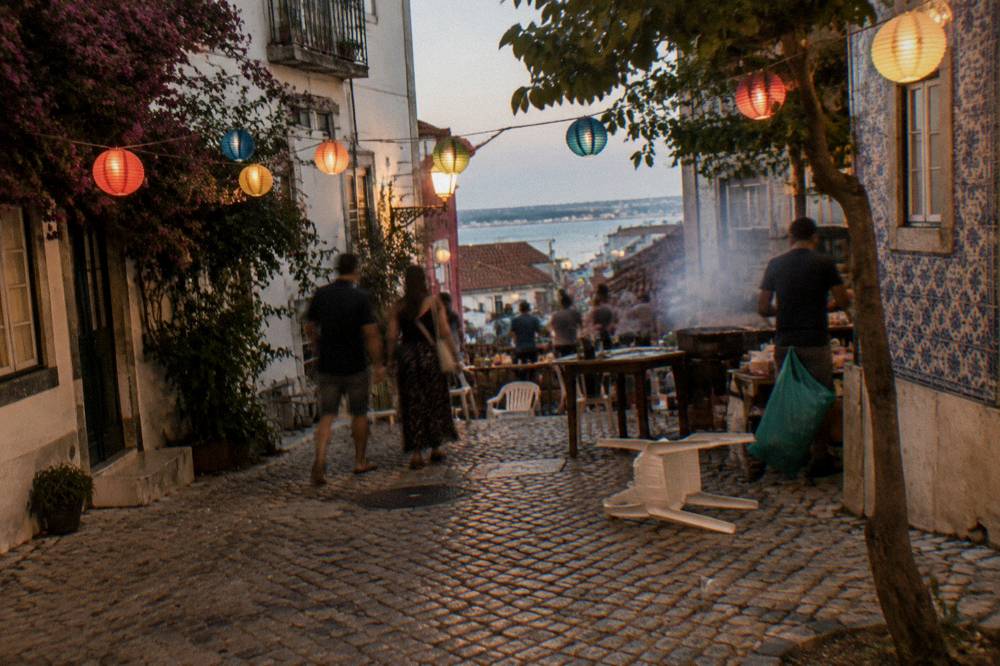
June is the one month where the event itself is the reason to visit. The Festas de Lisboa run through late May and June, with the Marchas Populares on the evening of 12 June on Avenida da Liberdade and the Santo Antonio municipal holiday on 13 June; the Alfama and Mouraria streets fill with grilled-sardine stalls and small stages. It is crowded, loud and genuinely local, and it is also the month where a guided food walk earns its keep, because the neighbourhoods are at their most alive and hardest to read on your own. The June page covers the practicalities, and the broader summer page puts the festival in context with the heat.
November is the opposite case: the Web Summit, scheduled for 9 to 12 November at the MEO Arena and FIL in Parque das Nacoes, brings tens of thousands of visitors, and accommodation near the venue books out early. If you are coming for the conference, book tours and rooms well ahead; if you are not, the same week is one to avoid for prices, though the weather, an average high of 17.6 degrees, is still good for walking tours. The November page has the detail.
The festive period runs on its own logic. The Christmas and New Year season brings lights to the main squares, a private Christmas lights tuk tuk tour from €35, and indoor workshops like the tile painting class from €43, which is why the winter page treats December as a workshop-and-fado month rather than a beach-adjacent one. Fado itself is a winter-perfect format: the Museu do Fado charges a 5 EUR normal ticket and is closed on Mondays, and the shows in the roster run 50 minutes to two hours, short enough to fit around any weather.
How Do Shoulder Seasons Compare With Peak Summer?
Shoulder season, meaning May, June, September and early October, gives you about 90 percent of the summer experience at lower crowd levels: warm sea-level days, evenings above 15 degrees, and tour schedules running at full frequency. Peak summer, July and August, adds three to four degrees of average heat, near-zero rain and the year's biggest crowds. Winter trades warmth for calm: average highs of 14 to 16 degrees, more rain, and the cheapest, quietest touring of the year.
The honest comparison is not just weather but what you give up. In July and August you get the most reliable sunshine of the year, roughly 2.9 mm of rain across the entire month, and every boat, bike and day trip running at maximum frequency. What you pay for it is queueing: the Pena timed slots go fast, Tram 28 is standing-room-only, and a 29.0-degree average high makes the 3-hour walking tours a morning-only activity. If summer is your only window, book the Sintra small-group day and the evening sail in advance and treat the midday as museum and pastel-tart time.
| Season | Months | Avg high (C) | Typical rainfall | Crowd level | Best tour picks |
|---|---|---|---|---|---|
| Spring | March to May | 18.4 to 22.8 | 50.7 to 66.7 mm | Moderate, rising | Sintra full day, e-bike viewpoints, food walk |
| Summer | June to August | 26.1 to 29.0 | 2.9 to 13.4 mm | Peak | Sunset sail, early-start Sintra day, evening fado |
| Autumn | September to November | 17.6 to 26.8 | 35.9 to 114.6 mm | High, then falling | Wine day trips, food walk, sunset cruise in September |
| Winter | December to February | 14.4 to 15.7 | 71.2 to 114.6 mm | Low | Fado show, baking class, tile workshop, private tuk tuk |
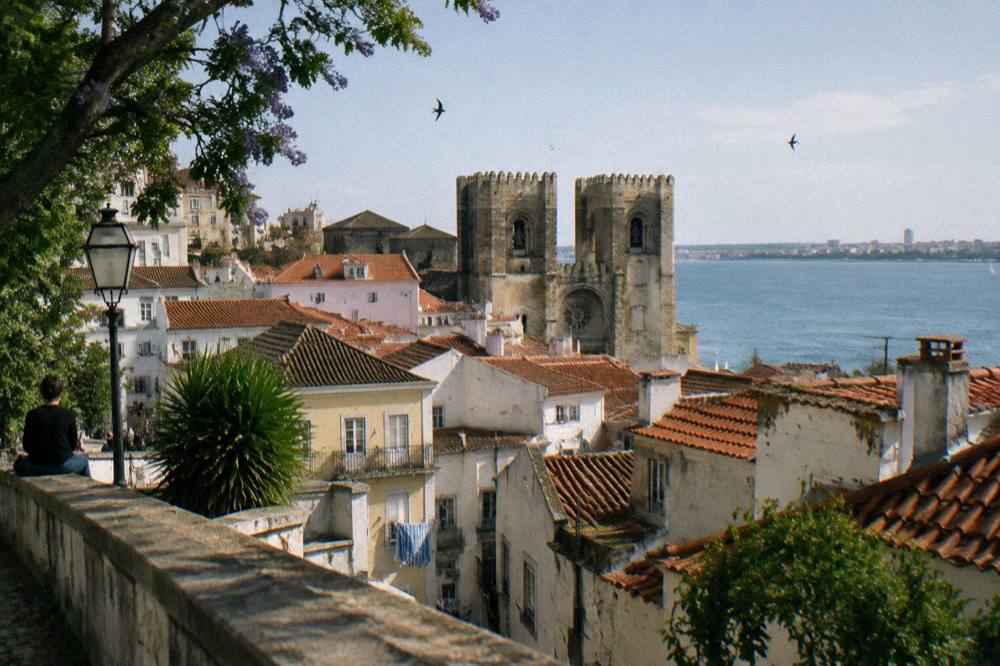
Spring deserves its strong reputation. April averages a 19.9-degree high with about 63.4 mm of rain, usually in short showers rather than all-day fronts, and the hills are green before the summer browns them. The April and May pages are the ones to read if you are weighing spring against autumn. Autumn's case is subtler: September is arguably the single best month in the table, 26.8 degrees and 35.9 mm of rain, warm sea and post-peak crowds, but October's rainfall jumps to about 102.9 mm, so the October page is worth reading before you book a week of outdoor days.
Winter visitors get the calmest version of the city. The January and February pages describe a Lisbon where the palaces are bookable days ahead, the museums are quiet and the fado houses are full of locals rather than travellers. Bring a rain jacket, plan one indoor anchor per day, and use the private tuk tuk tours, from €28 per person, to cover the hills without the climbs.
Which Tour Formats Are Worth Booking Ahead In Each Season?
In July, August and the June festival weeks, book the Sintra day trips, sunset cruises and food walks one to several weeks ahead, because timed palace tickets and small-group caps sell out first. In shoulder season a few days ahead is usually enough. In winter you can often book a day or two before, except over Christmas and New Year. Every listing on this site is flagged with free cancellation, though the window differs per listing.
The booking logic follows the caps. A max-8 Sintra tour with 4.9 from 4,938 reviews has eight seats per departure, and in August those go fast. The sunset sail with wine carries a maximum of 12 guests; a July sunset is the most in-demand two hours on the water. The food walks cap at 12 to 14 guests and are anchored on small taverns, so they cannot absorb overflow. Meanwhile the fado shows, from €14 to €15 for 50 minutes to an hour, run multiple sessions a night and rarely sell out even in summer, which makes them the perfect same-day decision.
A practical note on arrival logistics, since season affects them too: the EU Entry/Exit System is in operation at the external borders, while ETIAS is not yet operational for US and UK visitors, per the European Commission's smart borders page. Airport queues are longest in the July and August arrival waves, so the summer pages' advice to pad transfer time is not paranoia.
Common Questions About The Best Time To Visit Lisbon
What is the best time to visit Lisbon?
May, June, September and early October. Average highs run from about 22 to 27 degrees, rainfall is light, and the August crowd peak has either not arrived or has drained away. June adds the Festas de Lisboa to the mix.
What is the hottest month in Lisbon?
August, with an average daily high of 29.0 degrees Celsius in the official IPMA normals, just ahead of July at 28.3. Rainfall in both months is close to zero, at 5.0 and 2.9 mm respectively.
What is the rainiest month in Lisbon?
November, averaging about 114.6 mm of rain, followed by October at about 102.9 mm. Rain in these months tends to come in fronts rather than all-day drizzle, so indoor plans like fado shows and workshops cover the gaps.
Is Lisbon worth visiting in winter?
Yes. Average highs stay between 14.4 and 15.7 degrees from December to February, crowds and prices are at their lowest, and the indoor tour formats, fado, baking classes and tile painting, are unaffected by weather. Bring a rain layer.
When is Lisbon most crowded?
July and August, plus the Santo Antonio festival nights of 12 to 13 June and the Web Summit week in November. Outside those windows, even busy sights like the Jeronimos cloister are manageable with a morning start.
Which tours should I book ahead in summer?
Anything with a small cap: the max-8 Sintra full-day trips, the 12-guest sunset sails and the small-group food walks. Fado shows and the large-format group tours usually have same-week availability even in August.