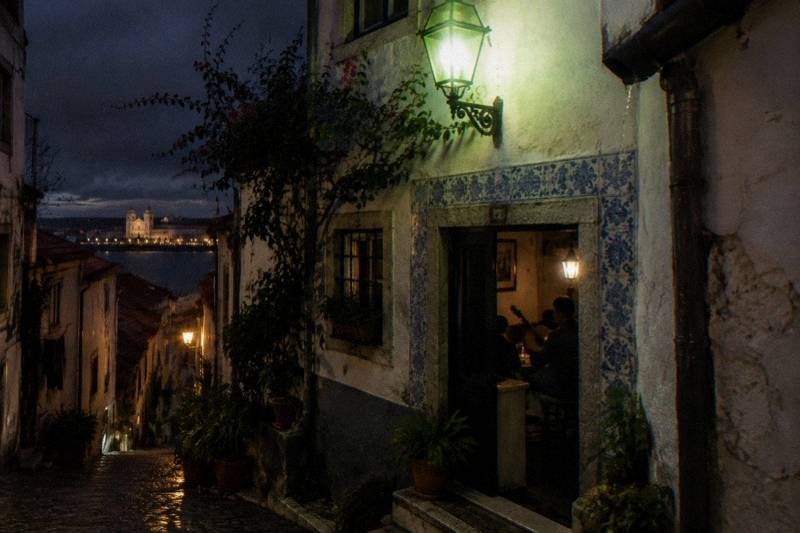
Where Do Locals Go To Listen To Fado In Lisbon?
Where Lisbon residents actually hear fado: neighbourhood tascas in Alfama, the professional houses of Bairro Alto, and the guided nights that get visitors closest to the real thing.
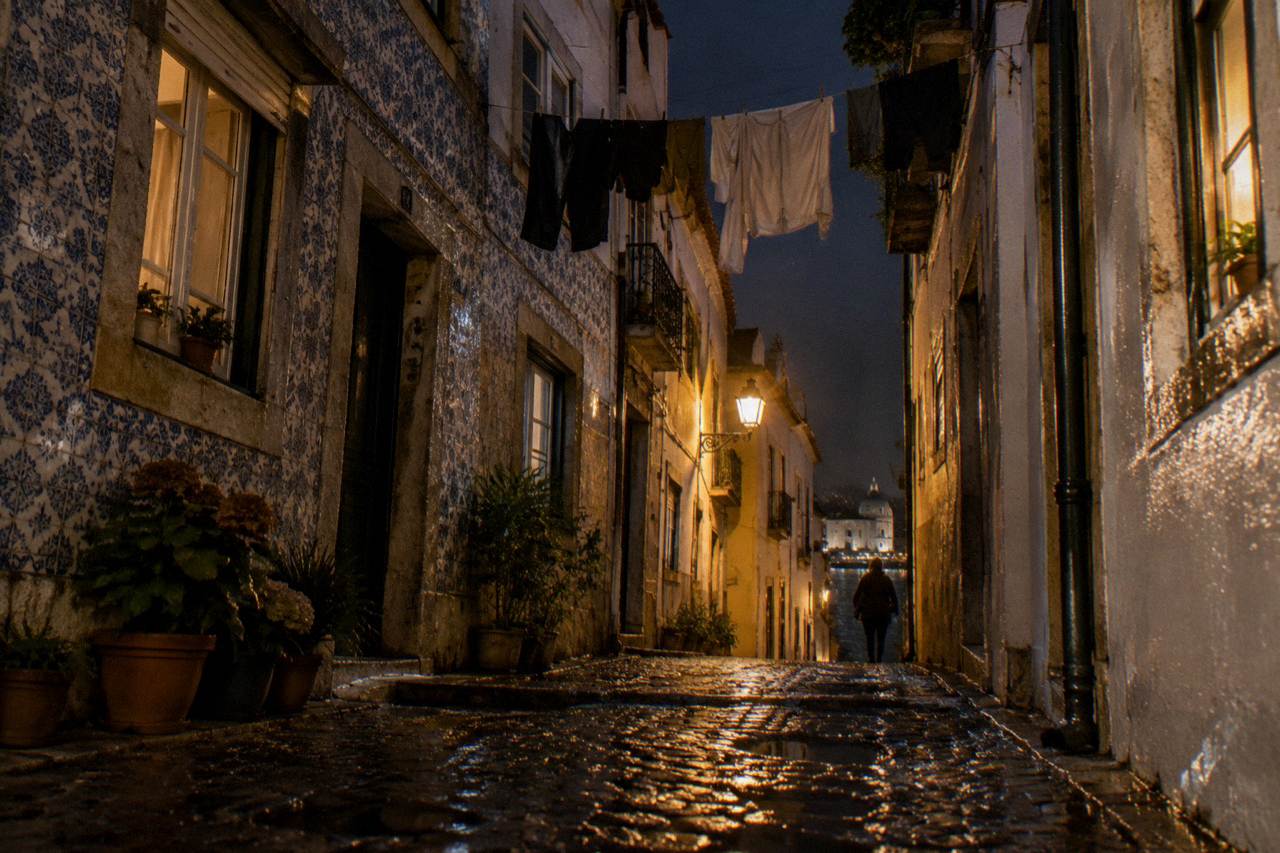
Ask a Lisbon resident where to hear fado and you will rarely get a venue name first. You will get a rule: when the singer stands, the room goes quiet. No talking, no clinking glasses, no phones held high. The question of where locals go to listen to fado in Lisbon is really a question about rooms where that rule still holds naturally, where the music is not a product bolted onto dinner but the reason the tables are full in the first place.
The honest answer has two halves. One half is the neighbourhood tasca, the small tavern where amateur or semi-professional singers, fado vadio, take turns through the night and the only price of entry is what you eat and drink. The other half is the professional house, the fado vadio's polished cousin, where trained voices perform in a scheduled set. Locals use both, and they choose between them the way you might choose between a corner bar and a concert hall, by mood and by budget.
Fado itself carries formal weight: it was inscribed on the UNESCO Representative List of the Intangible Cultural Heritage of Humanity in 2011, which is one reason the city guards its etiquette so seriously. This article walks through the rooms residents actually frequent, what a night costs, how long shows run, and the guided fado shows in Lisbon that get a visitor closest to a local night without insider knowledge.
Where Do Locals Go To Listen To Fado In Lisbon?
Locals go to two kinds of rooms: small tavernas in Alfama where fado vadio singers perform amid the dinner tables, and established professional houses in Bairro Alto such as the classic dinner-and-show venues. The tasca end costs whatever you eat and drink, often a minimum spend of about 10 to 15 euros, while professional dinner shows run roughly 45 to 60 euros per person. Both hold to the same code of silence during each song.
The split matters more than any single address. Fado vadio, literally "volunteer fado" or wandering fado, grew out of the working-class quarters of Alfama and Mouraria, where the tradition took root among the taverns and alleyways long before it reached a concert stage. It is sung by locals, sometimes plumbers and shopkeepers with remarkable voices, sometimes students of the style, in rooms where the "fado table" near the singer is treated almost as a small shrine. Nobody announces the songs in three languages. The light dims or the manager raises a hand, the Portuguese guitar introduces the piece, and the room stops.
Professional houses are a different craft. The singers are booked, the sets are timed, the sound is engineered, and the dinner is part of the design. Traditionalists sometimes sniff at them, but plenty of residents love a well-sung set in a good room, and the best houses fill with Portuguese families on weekends. The genuine local move is not avoiding one type for the other; it is knowing which night suits which room.
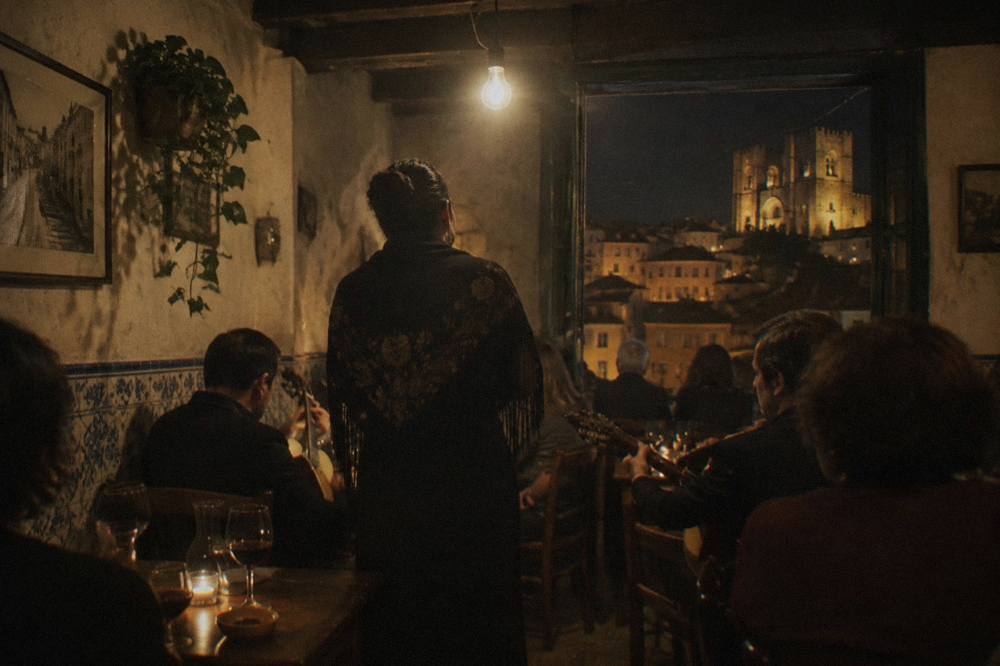
For a visitor with one evening in the city, the practical question becomes how to get inside a room like this without a local's contacts. Guided evenings solve that problem. The Alfama Tour and Live Fado with Traditional Dinner from Lisbon Destination Tours, from €55 per person with a 4.4 rating from 1,001 reviews, walks you through the quarter's lanes first and then seats you for a traditional dinner while the singers work the room, a structure close to how a resident would structure the night themselves.
What Is Fado Vadio And Why Do Locals Prefer It?
Fado vadio is the amateur, turn-taking tradition of fado sung in tavernas by neighbourhood voices rather than booked professionals, and locals prefer it because it is unpredictable, cheap beyond the food and drink you order, and socially alive: the singers sit among the audience, and the night's quality depends on who walked in. It is fado as a community practice rather than a ticketed performance.
The word vadio carries a double meaning in Portuguese, something like "loafer" or "wanderer", and the tradition is proudly informal. A typical night works on a rotation. The singer takes a chair near the fado table, chooses a fado, and the two guitarists, the Portuguese guitar and the classical viola, follow. When the song ends, applause, then conversation floods back until the next singer rises. A single room can cycle through a dozen voices in an evening, from trembling beginners to retired performers who still draw a crowd.
In Alfama, the classic vadio rooms sit on steep lanes a few minutes from the river. Getting there involves the hills the quarter is famous for; the Graça funicular runs again on the slope above, while the Gloria, Bica and Lavra funiculars and the Santa Justa lift remain closed to passengers, so check Carris for current status if you plan to ride rather than walk. Locals treat the climb as part of the price of admission.
The Bairro Alto equivalent is best represented by Tasca do Chico, a narrow bar where fado vadio nights run several times a week and the house expects a minimum spend in the region of 10 to 15 euros per person, which is essentially your food and drink rather than a cover charge. Arrive early or expect to stand; regulars know the good seats go before the first guitar is tuned. Visitors weighing the format against a seated show can read our piece on whether a fado show in Lisbon is worth it before committing an evening.
Which Alfama Rooms Host The Most Authentic Fado Nights?
Alfama's authentic fado nights happen in small tavernas and dedicated houses clustered in the lanes between the Sé cathedral and the river, where singers perform within arm's reach of the tables. Casa Lundum is the neighbourhood's most distinctive room, an intimate venue running about an hour of music with a glass of port included from €15 per person, rated 4.9 from 958 reviews.
What makes an Alfama room feel authentic is scale and seating. The genuine houses seat a few dozen people at most, the ceiling is low, the walls carry photographs of fadistas gone by, and the singer finishes a song two metres from your table. Sound systems are minimal because the room does the work. In a place like this the code of silence enforces itself; you can feel the whole floor hold its breath.
Casa Lundum deserves its specific mention. The listing presents a one-hour show in a room described as unique in Alfama, with port wine included, from €15 per person. Guests on the listing report exactly the quality visitors hope to find: a small space, close singing and an unhurried hour. An hour is also, usefully, a realistic length; shows across the roster run from 50 minutes up to 2 hours, and the shorter formats suit a first exposure to the music better than a full dinner evening.
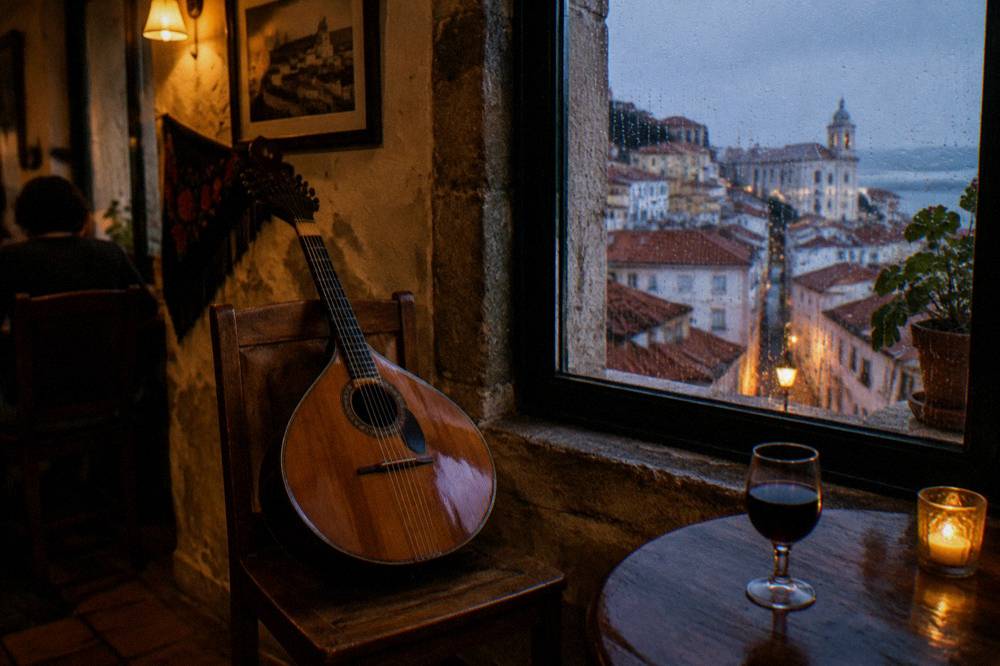
Around the quarter, the practical advice locals give is simple. Book any named room ahead in the high-season months of July and August, when average daily highs run about 28 to 29 degrees and the lanes fill with visitors, and be flexible about which night you go, since smaller rooms rest their singers on weekdays. Walking the quarter before dinner is the standard local pattern, and it is the pattern guided evenings copy. Our Lisbon Portugal Tours coverage of the fado quarter includes more on how these nights are structured.
Where In Bairro Alto Do Locals Hear Professional Fado?
Bairro Alto is the home of professional fado: dedicated houses with booked singers and timed sets, including the long-running dinner-show venues like Clube de Fado, where a dinner and show evening costs roughly 50 to 60 euros, and Adega Machado at about 45 to 55 euros. Locals come here for trained voices, reliable sound and a full dinner, trading the tasca's randomness for polish.
Clube de Fado sits at the edge of Alfama but belongs in spirit to the professional circuit, a refined room where the guitars are excellent and the kitchen is a destination in itself. Adega Machado, up in Bairro Alto proper, is one of the oldest names in the city, a long-established house with a dinner-and-show format and a more theatrical staging. Both fill with Portuguese couples on anniversary nights and visiting music lovers on the rest.
The professional circuit is also where the city's most accessible ticketed shows live. The Top-Rated Authentic Fado Show & Wine runs 50 minutes with wine included, from €15 per person, rated 4.8 across a substantial 7,184 reviews. One guest review captures why the format works for first-timers: "This was a lovely introduction to fado! If you're unsure if you'll like the music, this is a wonderful alternative to some of the longer fado shows available, and the multiple times and locations make it easy to fit into your trip."
There is also a middle path locals take: the show with a drink rather than a full dinner. The Traditional Fado & Port Wine evening in the heart of old Lisbon runs 50 minutes from €14 per person, rated 4.7 from 5,709 reviews, and pairs the music with a single glass rather than a seated meal. It leaves you free to eat beforehand in a tasca of your own choosing, which is, quietly, the most local itinerary of all. For timing questions, our guide to how long a fado show lasts breaks down the formats.
How Much Does A Night Of Fado Actually Cost?
A fado night costs between roughly 10 and 15 euros at a fado vadio tasca, where you pay a minimum spend that covers food and drink, and roughly 45 to 60 euros at a professional dinner-and-show house. Ticketed show-only formats sit between the two, from about €14 to €15 for 50 minutes with a drink included. The range is wide because you are really choosing between three different products.
| Type of night | Typical cost per person | What you get | Who it suits |
|---|---|---|---|
| Fado vadio tasca | Minimum spend about 10 to 15 euros | Turn-taking singers, food and drink, no fixed set | Travellers who want the community feel and will arrive early |
| Show with a drink | From about €14 to €15 | 50-minute set, one port or wine, no meal | First-timers testing the music, tight schedules |
| Professional dinner and show | About 45 to 60 euros | Booked singers, timed sets, full Portuguese dinner | Celebrations, visitors wanting a complete evening |
| Guided walk plus fado dinner | From €55 | Alfama walk, traditional dinner, live fado | Visitors who want context before the show |
Two cautions from the local playbook. First, a minimum spend is not a tip-free zone; rounding up the bill is normal courtesy in a tasca. Second, in the professional houses the dinner is part of the experience, so do not book the dinner show intending to eat elsewhere; kitchens serve to the rhythm of the sets. Our broader piece on tipping on a free walking tour covers the tipping conventions that carry over into tip-based and minimum-spend evenings.
The ticketed shows in the table above are bookable ahead, which matters in summer. July and August average daily highs around 28 to 29 degrees and the rooms are small and un-airconditioned in the traditional style; a reserved seat in a scheduled 50-minute show can be the difference between a relaxed evening and a hot one standing at the bar.
When Do Fado Nights Start, And Can You Visit The Museu Do Fado First?
Fado nights typically start between 8 and 10 pm, with dinner shows seating earlier than tasca nights, which warm up late. Before the evening, the Museu do Fado in Alfama is the local warm-up ritual: a 5-euro normal ticket, open Tuesday to Sunday and closed Mondays, where the exhibits explain the guitars, the voices and the saudade before you hear them live.
The museum is genuinely part of the local route, not a tourist detour. It sits in the Alfama passenger station building on Largo do Chafariz de Dentro, and its permanent collection walks through the history of the genre from the tavernas to the concert halls. At 5 euros for a normal ticket, with reduced prices for younger visitors and seniors, it is one of the cheaper ways to spend an afternoon in the city; details are on the official Museu do Fado visit page.
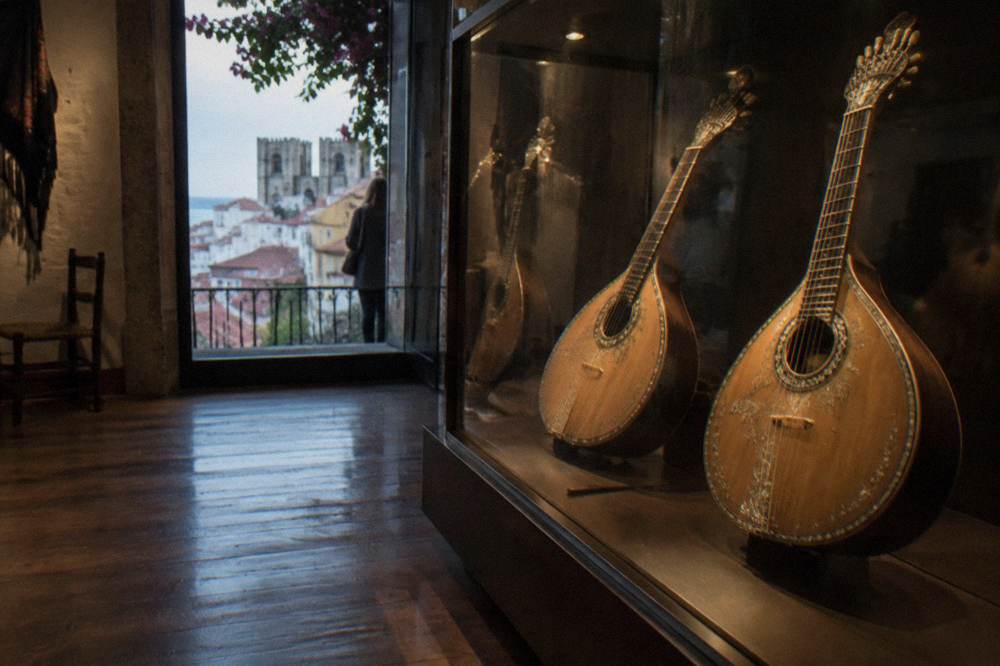
A practical pairing follows naturally. Museum in the late afternoon, a walk up through Alfama's lanes as the light drops, then dinner and a show. That is exactly the sequence the guided evenings package: the four-hour Alfama Tour and Live Fado with Traditional Dinner compresses it into one booking, and the three-hour food-and-wine walks through the same quarter end early enough to leave the night free for a 50-minute show afterwards if you want two sides of the tradition in one evening.
One more piece of local timing wisdom: the best-attended tasca nights are midweek, not weekends, because weekend crowds bring more conversation and less silence. If your schedule allows a Tuesday or Wednesday, take it.
Which Guided Fado Evenings Get You Closest To A Local Night?
The evenings closest to a local night are those that combine an Alfama walk with a seated show and dinner, notably the four-hour Alfama Tour and Live Fado with Traditional Dinner from €55 per person, rated 4.4 from 1,001 reviews. For a shorter taste, the 50-minute show-with-wine formats from €14 to €15 deliver the music without the meal, and the one-hour Casa Lundum evening adds port in a singular room.
| Experience | Format | Duration | From (per person) | Rating and reviews |
|---|---|---|---|---|
| Alfama Tour and Live Fado with Traditional Dinner | Guided walk, dinner, live fado | 4 hours | €55 | 4.4 from 1,001 reviews |
| Top-Rated Authentic Fado Show & Wine | Ticketed show with wine | 50 minutes | €15 | 4.8 from 7,184 reviews |
| Fado Show at Casa Lundum, Alfama, with Port | Intimate house show with port | 1 hour | €15 | 4.9 from 958 reviews |
| Traditional Fado & Port Wine in Old Lisbon | Ticketed show with port | 50 minutes | €14 | 4.7 from 5,709 reviews |
| Fado Show and Portuguese Dinner | Dinner with show | 2 hours | €50 | 4.6 from 2,207 reviews |
Every listing above is flagged with free cancellation, though the window varies per listing and is stated on the booking page, so check it when you reserve rather than assuming a standard rule. Prices also vary by date and seat type, so treat the figures as the floor, not the quote.
The choice between them comes down to one question: do you want the music explained, or do you want to meet it cold? A walk-first evening gives you the quarter's story, the blue-tiled façades, the dead-ends and the viewpoints, before the first guitar sounds, and many visitors find the songs land harder with that context. A show-only ticket trusts the music to explain itself, which is, after all, how most locals first encountered it: a voice in a small room, and a room that went quiet.
Whichever you choose, respect the code. When the singer stands, put the glass down, stop the conversation and let Lisbon's oldest habit do what it has done in these rooms for generations.
Common Questions About Where Locals Listen To Fado In Lisbon
Where Do Locals Go To Listen To Fado In Lisbon?
Locals go to fado vadio tavernas in Alfama, where neighbourhood singers take turns amid the dinner tables, and to professional houses in and around Bairro Alto such as the classic dinner-show venues. Tasca nights cost a minimum spend of about 10 to 15 euros; professional dinner shows run roughly 45 to 60 euros.
What Is the Difference Between Fado Vadio and a Professional Fado Show?
Fado vadio is sung by amateur and semi-professional voices in a turn-taking rotation inside a taverna, with no fixed programme and no separate ticket. A professional show features booked singers, timed sets and engineered sound, usually paired with dinner or a drink. Locals attend both, choosing by mood and budget.
How Long Does a Fado Show Last?
Fado shows in Lisbon run from 50 minutes to 2 hours. The show-only formats with a drink included typically last 50 minutes, intimate house shows run about an hour, and dinner-and-show evenings last around 2 hours plus dining time.
Do You Have To Be Quiet During a Fado Song?
Yes, and it is the one rule with no exceptions. When the singer stands and the guitars begin, the room falls silent until the song ends. Locals treat this etiquette as part of fado's heritage; talking, clinking glasses or filming during a song marks you immediately as an outsider.
Is the Museu do Fado Worth Visiting Before a Show?
Many residents and informed visitors think so. The museum sits in Alfama, charges a 5-euro normal ticket and is open Tuesday to Sunday, closed Mondays. Its exhibits on the guitars, the voices and the history make the evening performance far easier to read.
Can You See Fado in Alfama Without Booking Anything?
You can walk the quarter and find rooms with music on most nights, but in the July and August peak the small houses fill early, and a minimum spend still applies at fado vadio tavernas. Booking a ticketed show or a guided evening guarantees a seat; arriving early improves your odds at walk-in tasca nights.