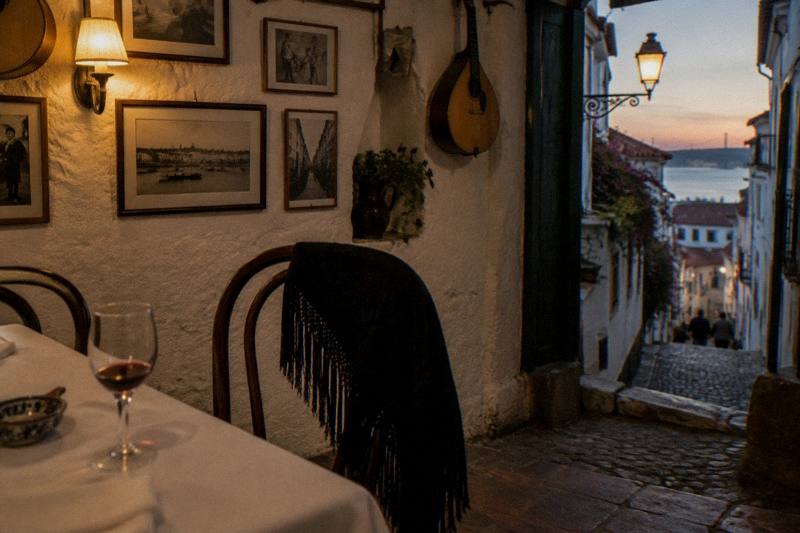
Is It Worth Going To A Fado In Lisbon?
An honest answer to whether a fado show in Lisbon is worth your evening, with real prices, formats and what actually happens in the room.
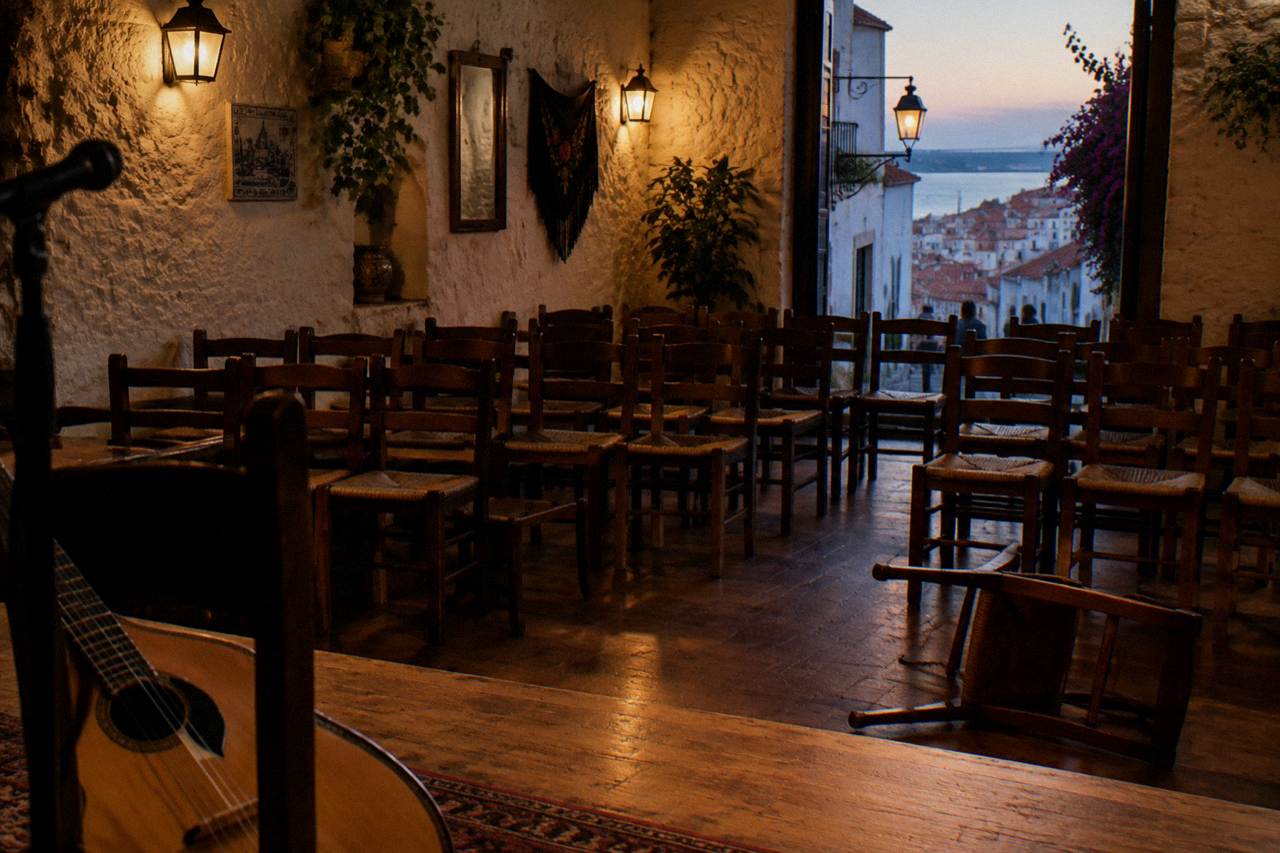
Fado is the one Lisbon experience that follows you home. The city's restaurants, its museum, its UNESCO listing since 2011, and half its souvenir shops orbit around two guitars and a singer in a dim room. Yet plenty of visitors hesitate before booking a seat, because a show that depends on understanding Portuguese words can feel like a gamble on a short trip. If you only have a day in the city, a guide to tuk tuk tours that pick up right at the cruise terminal can help you cover the hills before the singing starts.
The hesitation is reasonable, and the honest answer is that fado is worth it for most travellers, provided the format matches the evening you want. A 50-minute show with a glass of wine is a different purchase from a four-hour dinner in Alfama, and choosing badly is how people end up bored. This article answers the question directly, then walks through prices, neighbourhoods, formats and booking so the decision is easy.
Is It Worth Going To A Fado In Lisbon?
Yes, for most visitors a fado show is worth the evening, and the format decides how much. Fado was inscribed by UNESCO on the Representative List of Intangible Cultural Heritage in 2011, the shows on the roster run from 50 minutes to about four hours, and entry-level seats start from €14 per person. Treat it as a concert, not dinner theatre, and the odds of a good night rise sharply.
The case for going is straightforward. Fado is not a show put on for tourists, it is a living tradition with its own museum in Alfama, its own professional circuit and its own amateur scene, and the singing style carries a weight that survives the language barrier. The songs are about longing, the sea, the city and loss, and even without a word of Portuguese the room goes quiet when a good voice starts. UNESCO's recognition in 2011 formalised what locals already knew, that this is a tradition with deep roots rather than a nightly performance invented for visitors.
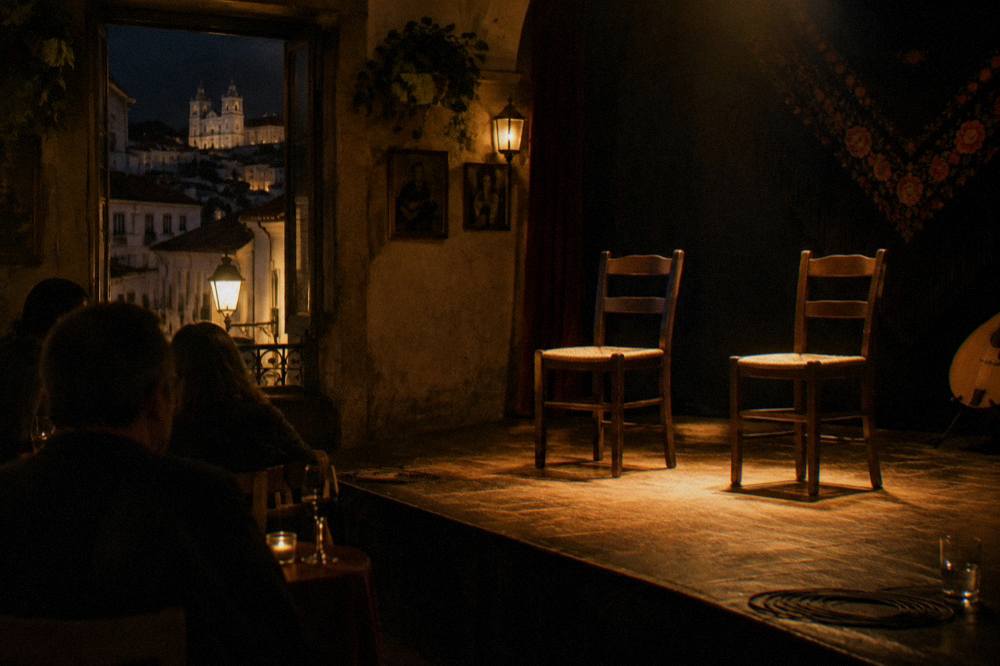
The case against is equally real and worth stating plainly. A seated show in a small room is a passive experience. If you arrive tired, expecting dinner-theatre entertainment, the second half of a two-hour set can drag. Some venues seat guests tightly at shared tables, and the traditional etiquette, no talking during a song, means it is not the right night for a loud catch-up with friends.
The compromise most first-timers land on is a short, ticketed show with a drink included, which is exactly what several listings in the fado cluster offer. The featured option on this site, the Top-Rated Authentic Fado Show & Wine, runs about 50 minutes from €15 per person and carries a 4.8 rating from 7,184 reviews, one of the largest review pools of any fado listing in the city. A guest review on the listing calls it "a lovely introduction to fado!" and notes that "the multiple times and locations make it easy to fit into your trip."
For anyone weighing the decision, the three formats above cover the realistic range: a short show with wine, an hour in a distinctive Alfama venue with a glass of port, and a full dinner-plus-show evening. The rest of this article explains what happens in the room, what each format costs, and how to pick between them.
What Actually Happens At A Fado Show?
A fado show is a short concert in a small, dim room: one or two singers accompanied by a Portuguese guitar and a classical guitar, performing in sets of two or three songs, with silence expected while they sing. Shows in the roster run from 50 minutes to about two hours for the show alone, or up to four hours when a dinner is included. No one expects you to understand the words.
The mechanics are simple and worth knowing in advance, because they surprise people. The singer does not perform continuously for the whole set. The standard structure is two or three songs, then a pause, then the musicians reset and the next singer or the same singer returns. During the songs the room falls quiet, waiters stop serving, and the audience stays silent. Between songs, conversation resumes. Applause traditionally comes with a specific shout of appreciation from regulars, but nobody expects a first-timer to join in.
The instrumentation is fixed by tradition: the viola, a standard classical guitar, carries the rhythm, and the Portuguese guitarra, a smaller twelve-stringed bell-shaped instrument, carries the high melodic line. The voice sits on top, often with a shawl and a fixed, still posture. The stillness is part of the form. A fado singer does not work the room like a cabaret performer.
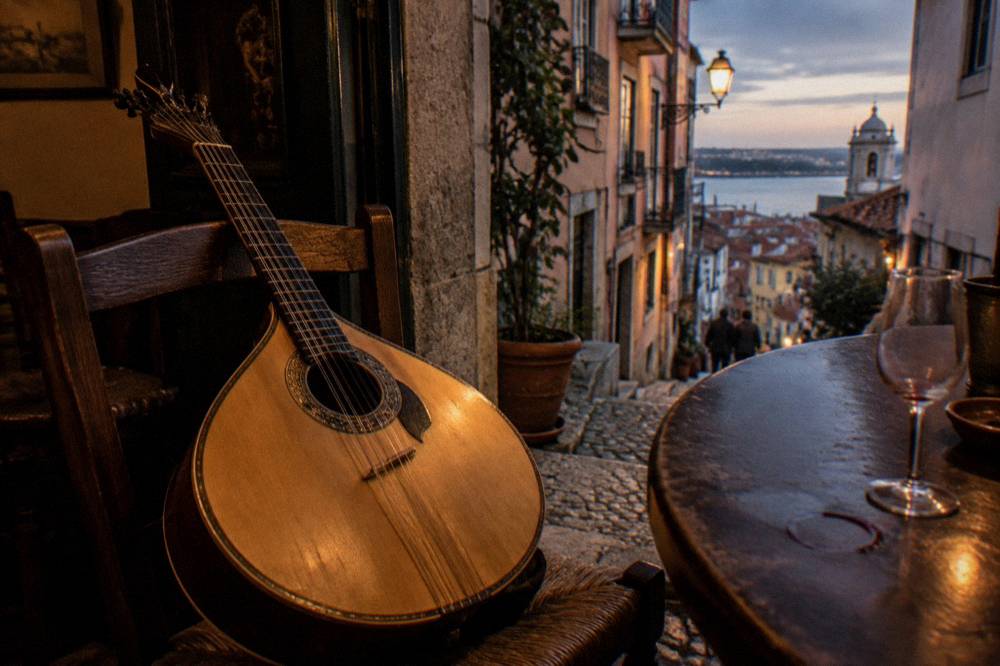
The venue shapes the night more than the singer does. A small tasca with twenty seats puts you two metres from the guitar; a larger dinner house spreads the attention across a hundred covers and a kitchen. Neither is fake, they are two different traditions within fado, the intimate amateur night and the professional dinner circuit, and Lisbon legitimately offers both.
If you want the background before spending an evening on it, the Museu do Fado in Alfama covers the history of the form, its instruments and its singers, with a normal ticket at 5 EUR and the page listing closures on Mondays. It is a one-hour visit that makes the evening make more sense, and it costs less than a drink at most venues.
How Much Does A Fado Show Cost In Lisbon?
A ticketed fado show with a drink included starts from €14 per person on this site's roster, with most short shows between €14 and €15 and dinner-plus-show combinations from about €50. The drink is usually part of the ticket, and the price gap between formats is large enough that it should drive the decision more than the venue name.
The pricing structure is unusual for a night out, so it helps to see it laid out. A short show ticket typically includes a glass of wine or port; a dinner show bundles a multi-course Portuguese meal with reserved seating and the performance. What you are paying for in both cases is the seat, since the rooms are small and the performers are professionals.
| Listing | Format | Duration | From (per person) | Rating |
|---|---|---|---|---|
| Top-Rated Authentic Fado Show & Wine | Show with wine | 50 minutes | €15 | 4.8 from 7,184 reviews |
| Traditional Fado & Port Wine in Old Lisbon | Show with port wine | 50 minutes | €14 | 4.7 from 5,709 reviews |
| Fado Show at Casa Lundum, Alfama | Show with port | 1 hour | €15 | 4.9 from 958 reviews |
| Fado Show and Portuguese Dinner | Dinner plus show | 2 hours | €50 | 4.6 from 2,207 reviews |
| Alfama Tour and Live Fado with Dinner | Walking tour, dinner, show | 4 hours | €55 | 4.4 from 1,001 reviews |
Two things stand out from the table. First, the pure show entries cluster tightly between €14 and €15, so price is not really a differentiator at the entry level, the venue and the voice are. Second, the jump to dinner roughly triples the cost, which buys you a full meal, a longer evening and a walking tour in the case of the last entry, but not necessarily a better view of the performers.
Outside the ticketed circuit, the informal fado vadio nights in Bairro Alto's tascas work on a minimum spend rather than a ticket, with reported minimums in the 10 to 15 EUR range for the room. Those nights are unpredictable by nature, the singers are amateur, and that is precisely their appeal for some travellers and their drawback for others. For a first visit on a short trip, a ticketed show removes the gamble.
The featured listing on this site is the Top-Rated Authentic Fado Show & Wine, from €15 per person for about 50 minutes with wine included. One verbatim guest review sums up the format's appeal for the undecided: "This was a lovely introduction to fado! If you're unsure if you'll like the music, this is a wonderful alternative to some of the longer fado shows available, and the multiple times and locations make it easy to fit into your trip."
Where Should You See Fado In Lisbon?
Alfama is the traditional heart of fado and the neighbourhood most shows advertise, but Bairro Alto and the Baixa side also host established venues. Choose the neighbourhood for the evening you want, Alfama for the winding, lamplit old-quarter atmosphere, Bairro Alto for the bar-crowd energy, and treat the venue itself as the real decision.
Alfama is where the tradition lives. The district is the city's oldest, a maze of alleys below the castle, and it is both the birthplace of the fado associated with Lisbon and the location of the Museu do Fado. A show here comes with a walk through narrow streets that puts you in the mood before the guitar starts, which is why several listings pair an Alfama walking tour with the performance. The Casa Lundum show, an hour-long set with a glass of port, sits in this tradition and holds a 4.9 rating from 958 reviews, a strong score on a solid review pool. Other pages covering the same trip are gathered on Lisbon Portugal Tours.
Bairro Alto is the counterweight. The neighbourhood only wakes up at night, its streets fill with bar crowds, and its fado houses, some professional, some amateur, sit inside that noise. A dinner show here is livelier and less hushed than an Alfama night. The Traditional Fado & Port Wine listing in the heart of old Lisbon, from €14 for 50 minutes, sits in this more central, accessible circuit. If you want to hear fado the way Lisbon residents do on an ordinary night, our guide to the fado spots locals actually love walks you from neighbourhood tascas to quieter houses beyond the tourist circuits.
The practical point for a visitor: match the neighbourhood to your energy and your hotel. An Alfama show involves hills, cobbles and a walk in the dark, all part of the atmosphere but worth knowing. If the hills are a concern, a central venue near Baixa or Chiado gets you the music without the climb. And if you are exploring the wider fado scene, the site's fado shows and dinner listings compare the formats side by side.
The Alfama walking-tour-plus-dinner option deserves a mention for readers who want the neighbourhood explained rather than just traversed: four hours from €55 per person, including the walk, the meal and the show, rated 4.4 from 1,001 reviews. It is the most complete version of the evening and the most expensive, and it suits a traveller with one free night who wants the whole story.
What If You Are Not Sure You Will Like Fado?
If you are genuinely unsure, book the shortest show with a drink included rather than skipping it or committing to dinner. The 50-minute format costs from €14 to €15, fits between dinner and a nightcap, and leaves the rest of the evening free. Guest reviews on the roster repeatedly describe the short show as the right first taste of the music.
This is the most common reader situation, and it deserves a direct answer rather than enthusiasm. Fado is melancholic music in a foreign language, performed in silence. Some visitors are moved; a minority find an hour of it heavy going. The hedge is structural: buy the smallest version of the experience.
The short-show format exists precisely for this. The Top-Rated Authentic Fado Show & Wine runs about 50 minutes, offers multiple time slots across locations, and includes a glass of wine, all from €15. The verbatim review quoted on its listing makes the case better than any pitch: "If you're unsure if you'll like the music, this is a wonderful alternative to some of the longer fado shows available, and the multiple times and locations make it easy to fit into your trip."
There are two ways to be wrong about fado, and the short show protects against both. If you hate it, you have lost under two hours and the price of a cocktail. If you love it, you now know, and you can book the dinner format on a future trip or extend the same evening in a tasca afterwards. The expensive mistake is the reverse: committing four hours and €55 to a dinner show on your only free night, discovering in the first set that the form is not for you, and sitting through three more hours of courses.
A useful preparation, cheap and quick, is the Museu do Fado before the show. At 5 EUR for a normal ticket, closed Mondays, it explains what you are about to hear, who the canonical voices are, and why the guitarra looks like a teardrop. Readers planning the wider evening can pair it with the site's guide to what to wear to a fado show, since the dress question comes up more than you would expect for a night in a small room.
Fado Show Or Fado Dinner: Which Format Fits?
Choose the show-only format if you want the music as the main event on a flexible evening; choose the dinner format if you want one long, seated night with the meal and the performance bundled. Show-only runs 50 minutes to an hour from €14 to €15; dinner combinations run about two hours from €50, or four hours with a walking tour from €55.
The formats serve different evenings, and the choice is less about fado than about how you want to spend the night. A show-only ticket is a concert: arrive, sit, listen, leave, with the rest of the evening yours. The dinner format converts the same music into a complete night out, with the kitchen pacing the courses around the sets.
| Show with a drink | Dinner plus show | |
|---|---|---|
| Typical cost | From €14 to €15 per person | From €50 to €55 per person |
| Duration | 50 minutes to 1 hour | 2 to 4 hours |
| Food | None, a drink included | Full Portuguese dinner |
| Best for | First-timers, tight schedules, undecided visitors | One free night, celebrations, slow travellers |
| Flexibility | Multiple times, easy to fit around dinner | The evening is the booking |
| Trade-off | No meal, you eat before or after | Higher cost, longer commitment |
The dinner format earns its price when the meal is genuinely good, and the roster suggests it usually is: the Fado Show and Portuguese Dinner listing, 4.6 from 2,207 reviews, includes a Portuguese dinner with the two-hour performance from €50. The Alfama combination adds a guided walk of the neighbourhood before the meal, four hours in total from €55.
One honest caveat applies to both formats: a dinner room is a restaurant with singing, a show room is a venue with a drink. Neither is more authentic than the other, but they reward different expectations. If the music is the point, the short show puts nothing between you and it. If the evening is the point, the dinner delivers it.
For travellers comparing the whole city's evening options rather than just fado, the same logic applies to the river: a sunset sail is the other classic Lisbon night, and the site's take on whether a Lisbon sunset cruise is worth it runs the same decision from the water side.
How To Book A Fado Show And What To Expect On The Night
Book ahead online for any ticketed fado show, because the rooms are small and the popular slots fill first; arrive 15 minutes early for seating; expect silence during songs, a drink on the table, and a set structure of two or three songs with pauses. Free cancellation is flagged on these listings, with the window varying per listing and shown on the booking page.
Booking in advance matters more for fado than for most city activities, purely because of the room sizes. A venue seating forty people on a summer evening sells out, and the walk-up alternative is often the pricier dinner houses with space but no guarantee of a good table. Online booking also locks the time slot, which matters for the short-show format, since its multiple session times are what make it easy to fit around dinner reservations elsewhere.
On the night, the routine is consistent across the professional circuit. Doors open shortly before the session, seating is assigned or first-come, the drink arrives quickly, and the first set starts on schedule. The silence rule is the only etiquette that really matters: when the singer starts, stop talking, and the room will hold you to it. Photography policies vary by venue, so check the listing or ask, and keep any flash off regardless.
What to wear comes up often enough to answer here: there is no dress code at the entry-level shows, smart-casual is the norm, and the dinner venues trend slightly smarter without requiring it. The site's guide to fado show dress and etiquette covers it in detail for readers who like the question settled in advance.
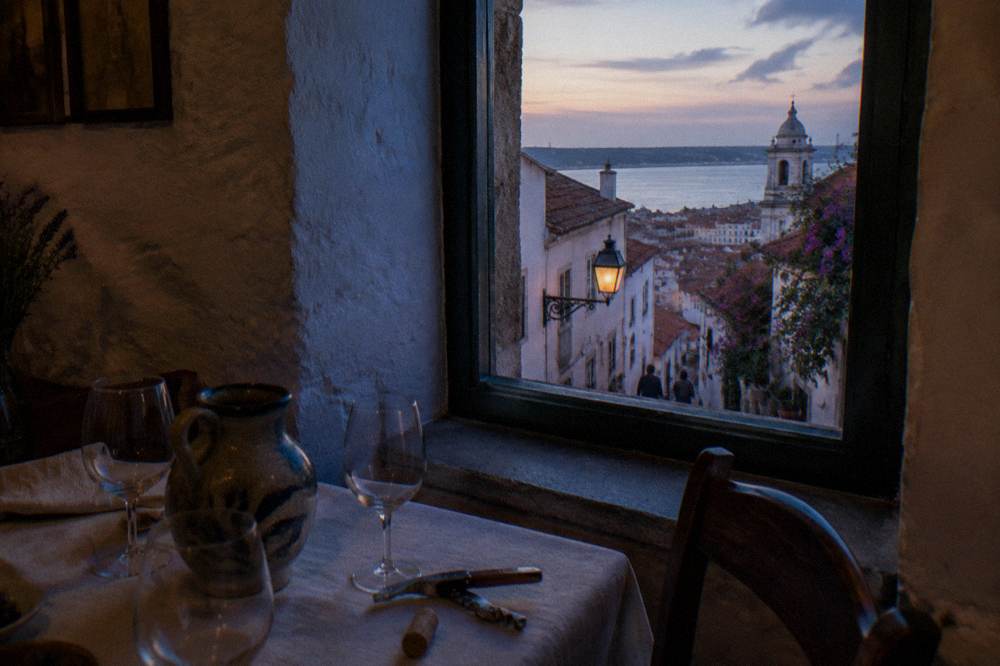
For the undecided reader, the summary recommendation stands: yes, go, and go short first. The Top-Rated Authentic Fado Show & Wine, about 50 minutes from €15 with a 4.8 rating across 7,184 reviews, is the lowest-regret version of the evening on this site's roster. If the format wins you over, the dinner listings and the Alfama combinations are there for the next trip, or the next night.
Common Questions About Fado In Lisbon
Is It Worth Going To A Fado In Lisbon?
For most visitors, yes. Fado is UNESCO-listed, the entry-level shows cost from €14 to €15 per person with a drink included, and the short 50-minute format lets you test the experience without committing a whole evening. The format you choose matters more than the venue.
How Long Is A Fado Show?
Show-only formats on this site's roster run 50 minutes to one hour. Dinner combinations run about two hours, and the Alfama walking tour with dinner and show runs about four hours in total.
Do You Need To Understand Portuguese To Enjoy Fado?
No. The emotion carries through the voice and the guitars, and the room's atmosphere does most of the translation. The Museu do Fado in Alfama, 5 EUR for a normal ticket, adds context if you want it before the show.
What Does A Fado Show Cost In Lisbon?
A ticketed show with a drink included starts from €14 per person, with most short shows between €14 and €15. Dinner-plus-show combinations start from about €50, or €55 with a walking tour of Alfama included.
Can You Talk During A Fado Performance?
Not while a song is being sung. The tradition calls for silence during each song, with conversation and service resuming between them. Applause and a shout of appreciation from regulars come at the end of a set.
Which Neighbourhood Is Best For Fado?
Alfama is the traditional home of the form and the location of the Museu do Fado. Bairro Alto hosts the livelier professional and amateur circuit. Both are legitimate; choose based on the atmosphere and the walk you want before and after.