What Food Is A Must Try In Lisbon?
The foods worth crossing Lisbon for, from pastel de nata to bacalhau, with where to find each one and how a food tour fits into the plan.
What Food Is A Must Try In Lisbon?
The five foods to build a trip around are pastel de nata, bacalhau in its many forms, grilled sardines, bifana, and queijo with tinned fish and wine. Pastéis de Belém, the original custard tart bakery, sells each tart for about 1.50 EUR. The rest are cheap, everywhere, and better in Lisbon than almost anywhere else on earth, which is the honest answer to the question.
Lisbon does not have one signature dish the way Naples has pizza. It has a small set of things it does stubbornly well, mostly built on bread, salt cod, pork, eggs and the Atlantic. The city's food culture rewards walking: a tart here, a bifana there, a plate of sardines at a family tasca at night. Trying to eat it all in one restaurant misses the point, because the food is scattered through the neighborhoods, in bakeries, tascas and market stalls that have been doing one thing for decades.
The practical problem for a visitor is not appetite, it is routing. The pasteis de nata worth queuing for are in Belem, the sardine grills are in Alfama and the old tascas cluster in Mouraria and Bairro Alto, and a first-time visitor with three days cannot be expected to know which door to knock on. That is exactly the gap a guided food walk fills: the three-hour small-group walk with tastings and wine, the tasting-and-traditions format, or the hands-on baking class that teaches the tart itself. This site's food tour cluster page compares them all at the food tours roundup.
There is also a rhythm to eating here that visitors often miss on the first day. Breakfast is a coffee and a pastry standing at a counter, not a seated affair. Lunch is the serious meal, taken slowly between one and three. Dinner starts late by northern European habits, and many of the best small kitchens run out of the daily special before nine. Fit the food into the local clock and everything on this list gets easier to find and cheaper to eat.
If you would rather taste first and read later, these are the three formats that answer the question fastest:
Where Do You Find The Best Pastel De Nata?
The original is at Pastéis de Belém in Belem, about 1.50 EUR per tart, where the recipe has stayed a house secret since the 1830s monastery origin. In the city center, Manteigaria in Chiado is the other name that comes up constantly, and any café baking them on site beats one that reheats them. Eat one warm, dusted with cinnamon, within a minute of the oven.
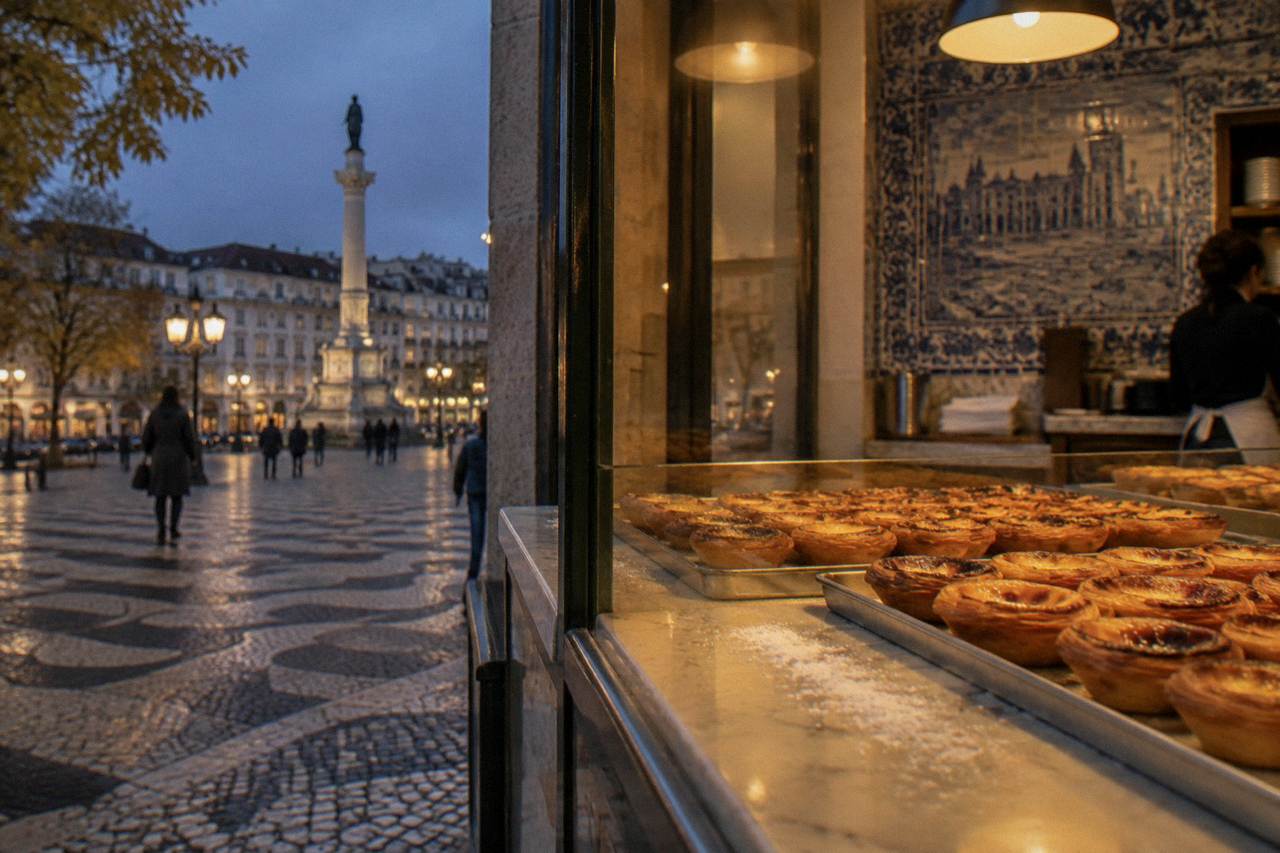
The tart is the one food every visitor already knows before landing, and it still manages to be better than expected. A proper pastel de nata has a blistered, caramelized custard top and pastry that shatters rather than soggs. The Belem bakery produces them continuously through the day, which is why the queue outside moves faster than it looks; the room behind the counter seats hundreds and turns over quickly. The pastel de Belem runs about 1.50 EUR each, and the counter is open daily from morning to late evening.
The mistake is buying a tray of six cold ones for later. The tart has a window of about ten minutes after baking, after which the pastry softens and the custard loses its burn. Order one, eat it standing at the counter, order another if the first one worked. Cinnamon is on the counter, not optional in the sense that most locals treat it as part of the dish.
A little history explains why the Belem version has its own name. The recipe is traced to the monks of the Jeronimos Monastery next door, who sold the tarts after the religious orders were dissolved in the 1830s; the bakery that bought the recipe still guards it, and only the Belem shop may legally call its product a pastel de Belem. Everything sold elsewhere in Portugal, however good, is a pastel de nata. That distinction is not marketing trivia: it is the reason the Belem queue exists, and the reason the monastery cloister, which the official site lists at 18 EUR for an adult with hours Tuesday to Sunday, 9:30 to 17:30 and closed Mondays, shares the same tram-and-walk route as the tart counter.
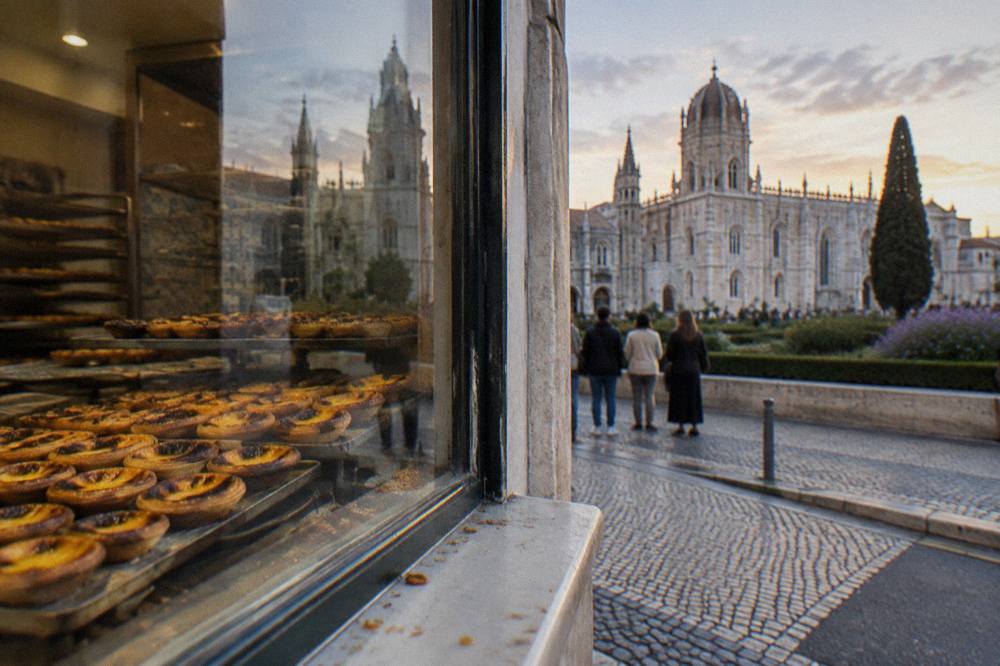
For visitors who want the mechanics rather than just the taste, the baking class angle exists for exactly this: a 90-minute small-group class that walks through the pastry and custard technique, from €65 per person, rated 4.9 from 270 reviews. It is one of the few food experiences in the city where you leave with the recipe instead of just the receipt.
What Is Bacalhau And Why Is It Everywhere?
Bacalhau is salted, dried cod, and Portugal treats it as a national institution, with a claimed tradition of preparing it a different way for every day of the year. In Lisbon the versions to look for are bacalhau a bras, shredded with egg and fried potatoes, and bacalhau com natas, baked with cream. It is on almost every tasca menu in the city.
The cod is dried and salted, not fresh, which is the result of a centuries-old trade that brought cod from the North Atlantic to a Catholic country that needed preserved fish for fast days. Every tasca keeps it soaked and ready. Bacalhau a bras is the visitor's friend: it looks like a scramble of matchstick potatoes, onions, egg and shredded cod, and it works even for people who think they do not like fish. Bacalhau com natas is richer, a baked gratin with cream and onion.
The honest advice is to order it at a neighborhood tasca rather than a polished restaurant, because the dish is home food. A portion is generous, prices are modest by capital-city standards, and it pairs with the green wine most tascas pour by the glass. If the list on the door is handwritten, that is usually the right door.
Two more cod dishes earn a mention for the traveler keeping score. Bolinhos de bacalhau, the deep-fried cod and potato cakes sold in cafés and by the piece at counters, are the between-meal version of the same institution, and they cost very little. Bacalhau a Lagareiro, cod roasted in olive oil with punched potatoes and garlic, is the celebration version, and it usually needs two people or a serious appetite. None of these need a famous address; they need a kitchen that cooks for its own neighborhood.
| Dish | What it is | Where it fits in a day |
|---|---|---|
| Bacalhau a bras | Shredded salt cod, egg, fried potato matchsticks | Lunch or late dinner at a tasca |
| Bacalhau com natas | Baked salt cod gratin with cream | Sit-down dinner |
| Bolinhos de bacalhau | Fried cod and potato cakes | Any time, by the piece at counters |
| Pastel de nata | Blistered custard tart in flaky pastry | Mid-morning or afternoon, standing at a counter |
| Bifana | Pork cutlet sandwich in a garlicky roll | Any time, costs very little |
| Grilled sardines | Whole sardines, charcoal grilled, skin on | Summer evenings, especially June |
| Queijo da serra | Sheep's cheese from the Serra da Estrela | With wine, before or instead of dessert |
What Should You Eat In Alfama And Mouraria?
Alfama and Mouraria are where the tascas are: grilled sardines in season, slow-cooked pork and clams, and the small plates that come with a carafe of house wine. Mouraria is the older, less polished of the two and has some of the cheapest good eating in the city. Eat where the menu is short and the room is full of people who live nearby.
The two neighborhoods sit on the hillside below the castle, and both predate the rest of the city by centuries. Alfama gets the crowds and the fado houses; Mouraria, a five-minute walk away, keeps the working tascas where a plate of pork with clams, or a bowl of caldo verde, comes out of a kitchen the size of a closet. The hills are real: the streets are steep cobbled lanes, and the funicular situation matters if you are routing a food crawl. The Graça funicular runs again, while the Gloria, Bica and Lavra funiculars and the Santa Justa lift are closed to passengers, so check Carris for current status before planning a hill route. The rest of the planning pages sit on Lisbon Portugal Tours.
June changes everything here. The Santo Antonio festivities peak on 12 and 13 June, and the whole hillside fills with grilled sardine smoke, neighborhood street parties and makeshift bars. A sardine eaten at a trestle table in an Alfama lane in mid-June, with a paper plate and a cheap glass of wine, is as close to the point of Lisbon food as it gets. Outside June the sardines still run on charcoal grills through the warmer months, and the smell of them drifting down a lane at dusk is a better restaurant guide than any review.
Caldo verde, the green soup of potato, onion and sliced couve galega with a coin of chouriço in the bottom, belongs on the same crawl. It is the most ordinary food in Portugal and the thing residents defend hardest, and a tasca that does it well almost always does everything else well. Pair it with the pork and clams, the carne de porco a alentejana that pairs the meat with a shellfish and potato pairing that sounds wrong and is not.
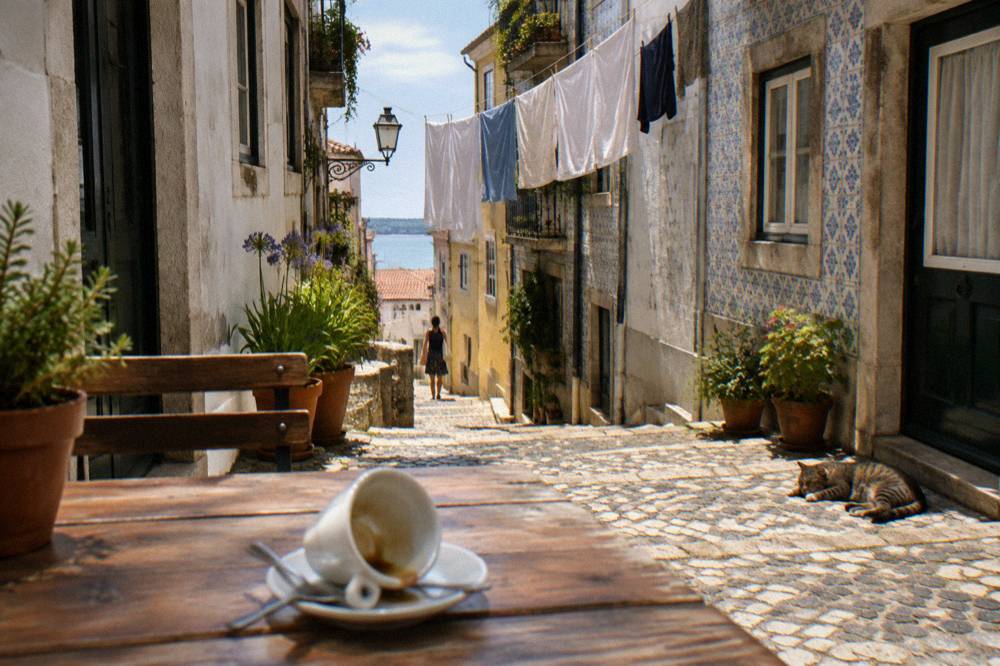
A tasting walk through these lanes is the format most visitors end up preferring, because the doors are genuinely hard to find. The Tastes and Traditions guided food tour runs three hours in a small group, from €63 per person, rated 4.9 from 1015 reviews, and it moves through exactly this territory.
Is A Food Tour The Best Way To Taste Lisbon?
For a first visit of three days or less, a food tour is the most efficient way to answer this question, because it routes five or six neighborhoods' worth of food into one walk. The three-hour small-group food and wine walk costs from €70 per person and is rated 4.9 from 5097 reviews. Independent eating works too, but it costs you a day of scouting.
The economics are not subtle. A guided walk bundles tastings that would otherwise take a visitor two or three evenings of trial and error, and the guide's local knowledge replaces the reviews a phone screen would otherwise be doing. The roster's food walks all include food in the listed price, so the sticker is close to the real cost of the evening.
The counterargument is real: a traveler with a week, an appetite for wandering and a tolerance for the occasional mediocre meal can find most of this food alone, and the money saved buys a lot of bifanas. The middle path is one guided walk early in the trip to calibrate, then independent eating in the neighborhoods the walk opened up.
| Tour | Format | Duration | From (per person) | Rating |
|---|---|---|---|---|
| Food and Wine Small Group Walking Tour | Small group, tastings and wine | 3 hours | €70 | 4.9 from 5097 reviews |
| Tastes and Traditions Guided Food Tour | Small group tastings | 3 hours | €63 | 4.9 from 1015 reviews |
| Undiscovered Lisbon Food and Wine Tour | Max 12, long-form walk | 3 hours 30 minutes | €104 | 5.0 from 8702 reviews |
| Secret Food Tours, 10+ tastings | Small group, Mouraria and Belem | 3 hours | €80.99 | 5.0 from 1465 reviews |
| Pasteis de Nata Baking Class | Small group, hands-on | 1 hour 30 minutes | €65 | 4.9 from 270 reviews |
The Undiscovered Lisbon walk deserves its own sentence: it runs three and a half hours, caps groups at twelve, and carries a 5.0 rating from 8702 reviews, from €104 per person. One guest review calls the guide "excellent--very knowledgeable, great sense of humor, and provided lots of information about what we were eating and drinking." A review on the live listing for the small-group walk, meanwhile, is typical of the format: guests report that the stops are well chosen and the pacing leaves room to actually eat rather than just sample.
Whichever format wins, two booking habits apply across the whole roster. Every listing in this category is flagged with free cancellation, but the window differs per listing and is stated on the booking page, so check it there rather than assuming. And the popular evening time slots fill first in the high season months, so the decision to book is better made a few days ahead than on the day.
What About Wine, Cheese And Tinned Fish?
Portuguese wine, sheep's cheese and conservas, the tinned fish Portugal treats as a delicacy, are the three things to bring home or build a long lunch around. Green wine, vinho verde, is the local default by the glass. A guided port tasting costs from €24 per person for one hour if you want the vocabulary before you buy.
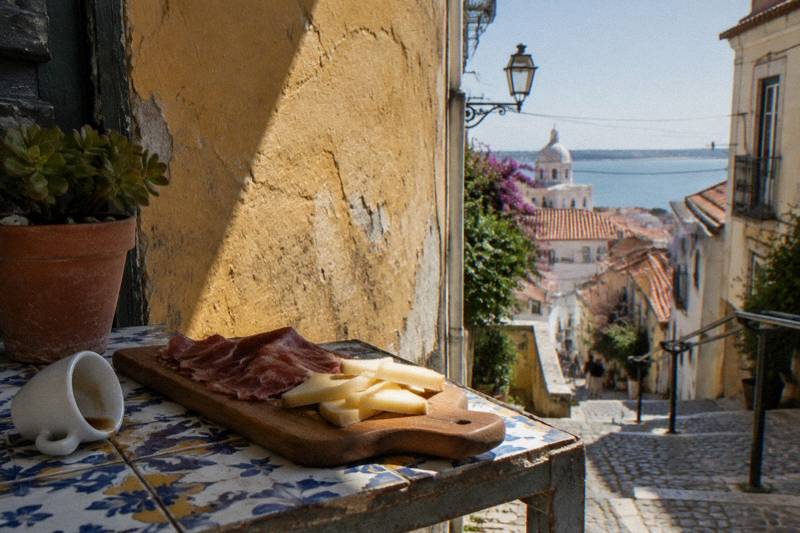
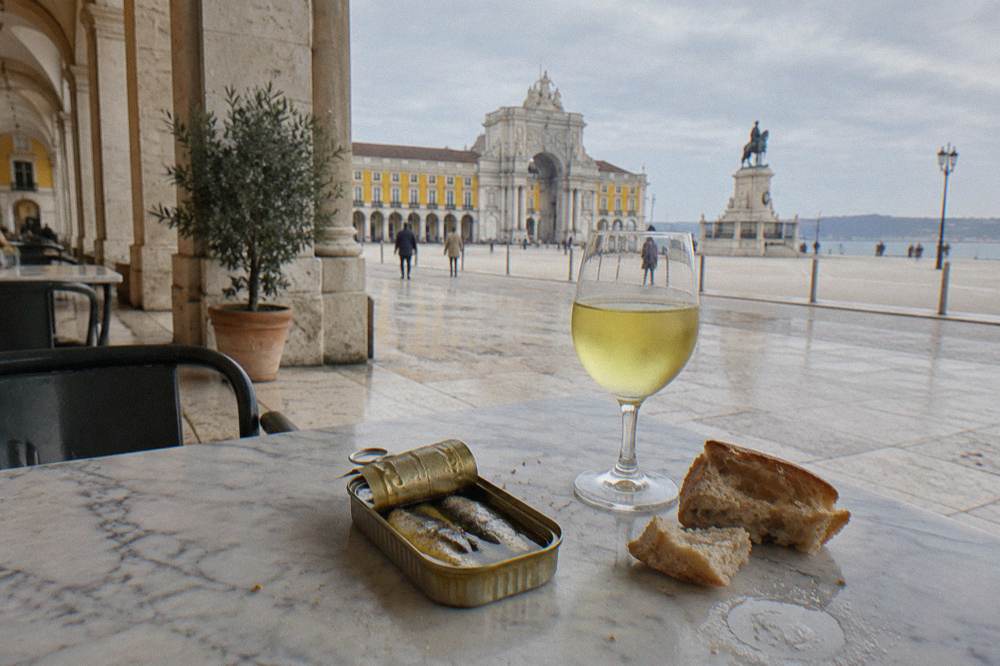
Conservas are the surprise. Portugal preserves sardines, mackerel and octopus in olive oil with spice and lemon, sells them in beautifully printed tins, and eats them as a proper food rather than a pantry fallback. A conservas bar pours a glass of white, opens three tins and puts bread and butter on the table, and it is one of the most Lisbon meals available. Queijo da serra, the sheep's cheese from the Serra da Estrela, is the other thing to order by the chunk: intense, slightly bitter rind, spoon-soft at the center.
The wine list confuses visitors because the good stuff is cheap. Vinho verde, young and lightly fizzy, is the house pour across the city. Douro reds and Alentejo whites sit on tascas lists at prices that would embarrass most European capitals. For anyone who wants the structure, a one-hour guided port tasting, max ten people, runs from €24 per person, rated 4.7 from 236 reviews, and it does more for a wine list than a week of guessing. The Setubal wine region day trips, from €97.50 for a two-winery tasting tour, extend the same idea into the countryside for a full half-day.
The Fado Museum, at 5 EUR for a normal ticket and closed Mondays, is the place that explains the music that shares the tables with this food; its visiting page lists the hours. And if the question is what to do on the evening side of all this eating, a fado show with wine runs from €15 for 50 minutes, which pairs a plate with the singing without committing to a full dinner. The city's fado houses run the range from that format to the full dinner-plus-show evenings, and the cheaper ticket is usually the better first exposure, because it leaves room in the evening for one more stop at a tasca afterward.
Where Do You Eat Like A Local In Lisbon?
You eat standing at bakery counters, at neighborhood tascas away from the main squares, and at the Time Out Market when you want range under one roof. The locals' version of Lisbon food is cheap, standing or seated at formica tables, and it does not involve a reservation. The visitor version that comes closest is simply going where the queues of residents go.
Time Out Market, open daily, 10:00 to midnight Sunday to Wednesday and to 02:00 Thursday to Saturday, gathers the city's chefs under one roof in Cais do Sodre. It is a real local lunch spot, not only a tourist one, though evenings skew visiting. The tascas are the deeper answer: small family rooms in Graça, Campo de Ourique and Anjos where the daily specials are chalked up and the wine arrives in a carafe.
A few habits carry the whole experience. Lunch, not dinner, is the main restaurant meal in Portugal, and many tascas close by 22:00. The couvert, the bread, olives and cheese that lands on the table unasked, is not free; you pay for what you eat and can send it back. And the bill is not rushed, so do not expect it until you ask.
Getting around the eating matters too. A Carris or Metro single ticket is 1.90 EUR, a 24-hour Carris and Metro pass is 7.25 EUR, and the on-board tram ticket is 3.30 EUR, so buying before boarding always wins on the tram lines that serve the food neighborhoods. The Lisboa Card bundles Carris, Metro, trams and the CP trains to Sintra and Cascais with entry to more than 50 attractions, at 24, 48 or 72 hours from first use, and its printed prices are on the official card site for anyone weighing it against single tickets (see 2 Days In Sintra).
For the sweet tooth, one more stop belongs on the list: the grocery stores and pastelarias outside the center sell the same pastel de nata for less than the famous counters, and the neighborhood versions are often the ones residents actually eat. The city's food identity is not in any single address, it is in the repetition of small, cheap, excellent things, which is the same conclusion a self-guided walking tour of Lisbon reaches from the street side, and the reason the fado and food question keeps coming up in the same breath as this one.
Common Questions About Food In Lisbon
What Food Is A Must Try In Lisbon?
Pastel de nata, bacalhau in at least one of its forms, grilled sardines in season, a bifana, and tinned fish with wine and sheep's cheese. The pastel de Belem costs about 1.50 EUR, and everything else on the list is cheap, everyday food across the city's bakeries and tascas.
What Is The Most Famous Food In Lisbon?
The pastel de nata is the city's most famous food, and the original Pastéis de Belém bakery in Belem is the address most associated with it. Bacalhau runs a close second as the dish Lisbon cooks at home, and grilled sardines own the June festival season.
Is Lisbon Expensive For Food?
No. Everyday eating is one of the cheaper parts of a Lisbon trip: custard tarts cost around 1.50 EUR each, a bifana costs a few euros, and a full tasca dinner with wine is modest by capital-city standards. The guided food walks, from €63 to €104 per person, are the premium end of eating in the city.
Should I Book A Food Tour Or Explore On My Own?
On a short first trip, a food tour compresses several neighborhoods of eating into three hours and replaces the scouting with a guide. With a week or more, one early walk to calibrate, then independent tasca-hopping, is the balance most travelers end up preferring. The small-group food and wine walk runs from €70 per person, rated 4.9 from 5097 reviews.
What Drink Should I Pair With Lisbon Food?
Vinho verde, the young, lightly spritzy green wine, is the default glass across the city and pairs with almost everything on the tasca list. Port is the after-dinner pour, and a one-hour guided port tasting costs from €24 per person if you want the vocabulary first.
When Is The Best Time Of Year For Lisbon Food?
June, when the Santo Antonio festivities peak on 12 and 13 June and the hills fill with grilled sardines and street parties. But the core list, custard tarts, bacalhau, bifanas and conservas, is available year-round, and the shoulder months pair good eating with fewer queues.
If the plan is to taste the list rather than read it, these are the three experiences that cover it fastest: