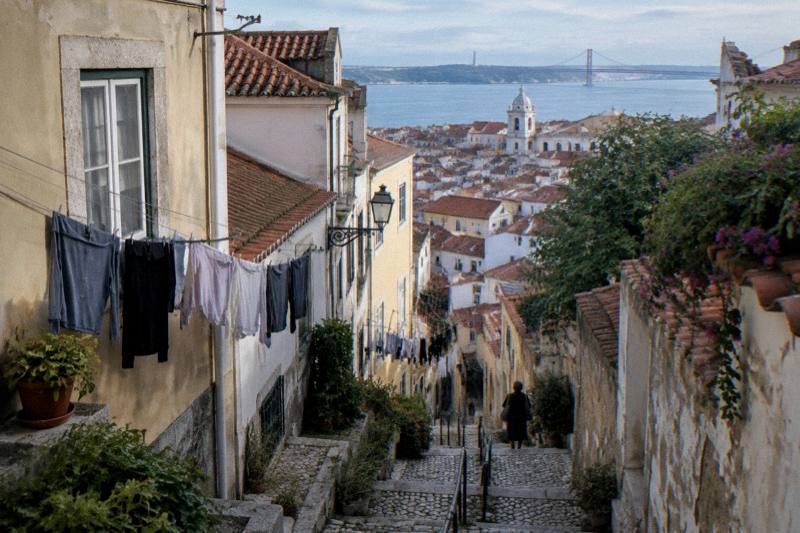
How Many Days Are Enough In Lisbon?
A practical answer to how many days are enough in Lisbon, with day-by-day itinerary logic built from real tour durations, ticket facts and transport figures.
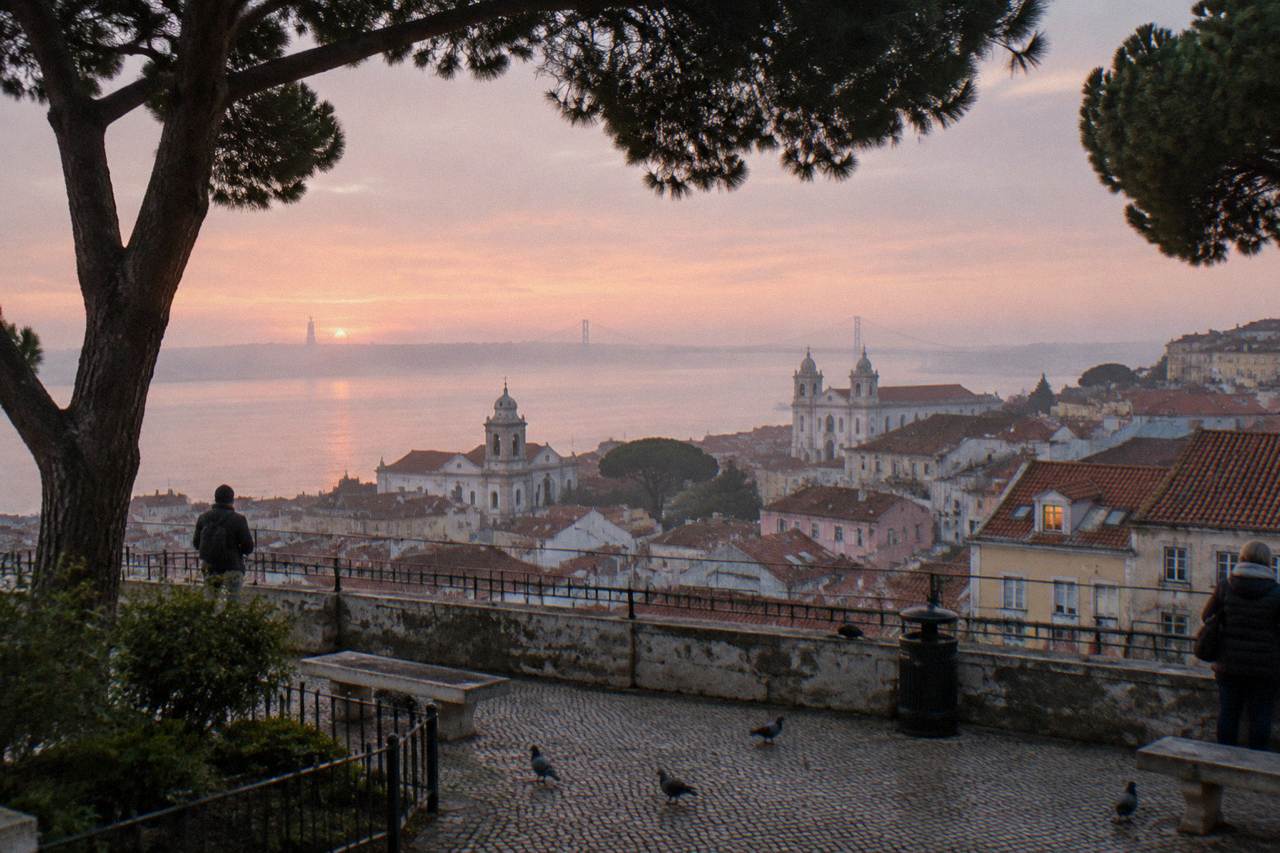
Three days is the honest minimum for Lisbon itself, four is the comfortable answer, and five lets you add Sintra and still breathe. That figure is not a guess: it comes from stacking what the city actually offers, a three-hour walking tour for the core, a half-day for Belem, an evening for fado, plus the train or tour time to Sintra. The team at Lisbon Portugal Tours compared the listed durations of the tours on this site, and the arithmetic lands consistently at three to five days.
Most under-planning mistakes come from treating Lisbon as a one-hill city. It is seven hills, a riverside district, a monument quarter, and a mountain town 30 km away that deserves a full day on its own. Squeeze all of that into 48 hours and you will spend your trip on stairs and in queues. Give it four days and Lisbon opens up. When you're ready to match each neighbourhood to the right base and transit pass, the Lisbon neighbourhood and transport guide shows how the city actually connects.
How Many Days Are Enough In Lisbon?
Three days is enough for Lisbon itself, four once you add Sintra to the plan, and five if you also want a dedicated food evening, a sunset sail, and unhurried cafe time built in. That gives you the city's core, one big day trip, and enough breathing room to enjoy everything without rushing from place to place. Direct trains from Rossio reach Sintra in about 40 minutes, so the palace mountain works as a day trip rather than an overnight. The Fátima, Nazaré and Óbidos circuit, about 128 km to Fátima by road, is a full 9 to 10 hour day and only worth adding from day five onward. Everything below explains how those blocks stack.
A useful way to frame the decision is by what you would regret leaving out. Almost nobody regrets a slow morning in Alfama. Almost everybody regrets sprinting Pena Palace, the castle, Regaleira, Cabo da Roca and Cascais in a single overheated afternoon. The roster data backs this up: the serious Sintra days run 8 to 10 hours, which is a whole day of energy, not a tack-on.
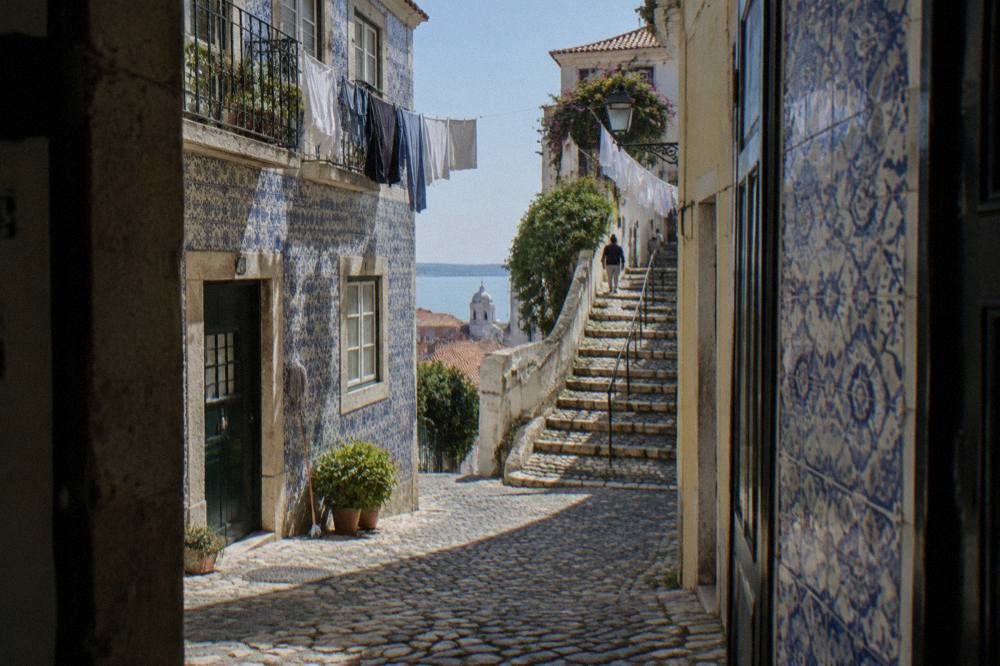
The walking-tour layer of the city is remarkably compressible. A guided walk such as the small-group city walking tours covers Rossio, Chiado and Alfama in about three hours, and the best-listed of them includes a meal, which removes the midday restaurant hunt. That compression is exactly why three days works: one guided morning does the work of two self-guided ones.
What Does A Perfect Three-Day Lisbon Itinerary Look Like?
A perfect three-day Lisbon itinerary gives each day a clear focus: day one is the old core on foot, with a meal stop along the way; day two is Belem and the riverside; day three goes to Sintra, taken as a full-day small-group or private trip. This is the tightest version that still respects real distances, and it slots the three most common formats, walking tour, monument quarter and Sintra day trip, into a sequence that avoids repeating hills. Each day gets one anchor activity and one light evening, which is the pacing that survives contact with Lisbon's staircases.
Day one belongs to Baixa, Chiado and Alfama. A three to four hour guided walk from €19 per person (the Best of Lisbon Small-Group option, rated 4.9 from 5,542 reviews) does the landmark loop with a local explaining the earthquake history, the azulejos and the fado doorways. One guest review sums up the effect: "Perfect tour with Natalia. We had a wonderful afternoon seeing the important sites in Lisbon." The afternoon is then free for the Miradouro trail and an early fado evening, where a 50-minute show with wine from €15 fits before dinner rather than replacing it. Once the fado show wraps up and you're walking back through dim lanes, it helps to know the city's rhythms, and this plain-language safety guide for American visitors to Lisbon covers pickpockets, transit and the neighborhoods worth knowing after dark.
Day two is Belem. Jeronimos Monastery, the official page lists the adult ticket at 18 EUR and the cloister runs Tuesday to Sunday, closed Monday, so check the day of the week against your route. The riverside e-bike ride to Belem with a custard tart, about 3 hours from €40, turns the outbound leg into the activity itself. Keep the evening light: the Tagus sunset cruises are about 2 hours, with options from €33 to €60, and they frame the city from the water better than any rooftop (see Best Month For Sunset Cruises). If you want the full Belem breakdown, the what to do in Belem guide covers the monument quarter in detail.
Day three is Sintra, and it should be the longest day of the trip. The Sintra day trips roster runs 5 to 10 hours depending on how much you pack in. The max-8 full-day version from €70 covers Pena, Cabo da Roca and Cascais in 8 hours and carries a 4.9 rating from 4,938 reviews. Doing Sintra by yourself is possible, the train is cheap and frequent, but palace tickets are date-reserved and timed, so a tour that handles the sequencing spares you the slot anxiety.
Is Three Days Too Rushed?
It is brisk but workable, and the difference between brisk and miserable is one decision: whether Sintra takes a full day. A three-day plan that assigns Sintra a proper 8-hour block and gives Belem only a morning is far calmer than one that tries to halve both. What three days cannot absorb is a second day trip. Fátima is about 128 km and 90 minutes by road each way; the combined circuit tours run 9 to 10 hours. Add that and you are realistically on a fourth day.
When Should You Add A Fourth Or Fifth Day?
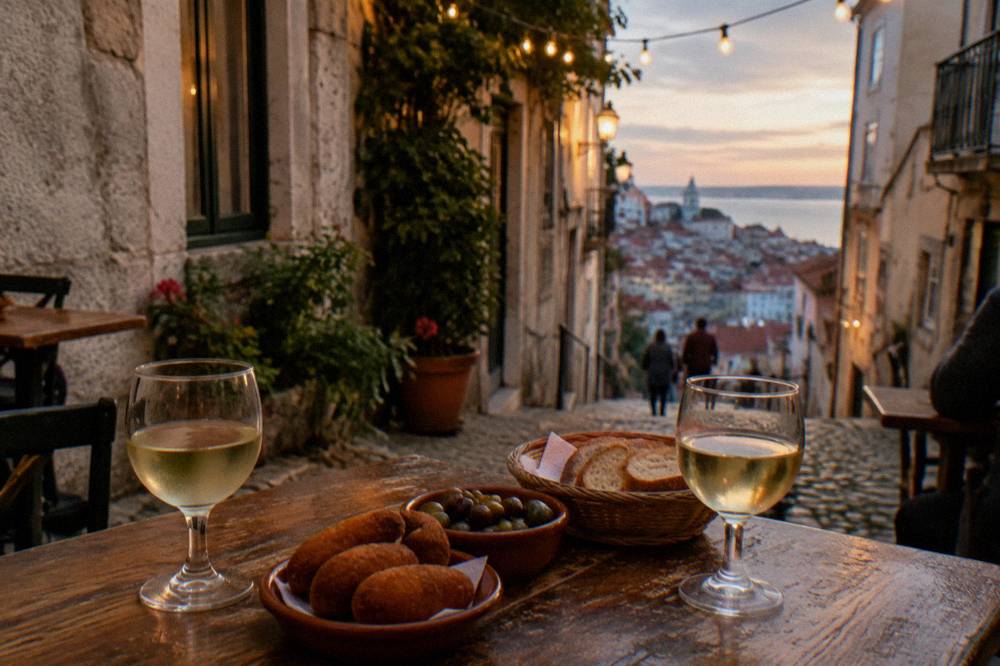
Add a fourth day if food matters to you, or if you want any downtime at all on this trip. Add a fifth day only if you are keen to take a second day trip beyond the city, with options such as the Fátima circuit or the Arrábida wine country filling that extra day nicely. The food tours in the roster run about 3 to 3.5 hours, which sounds like an evening, but they work best when you have not already walked 15 km that day. The same logic applies to fado with dinner, a 2 to 4 hour commitment that deserves a slower day behind it. Extra days in Lisbon are not padding, they are what converts the evening hours from dead time into experiences.
The four-day rhythm looks like this: day one the old core, day two Belem and the sunset sail, day three Sintra, day four a food-and-wine walk in the morning and fado at night. That fourth day is where Lisbon stops being a checklist. The day trips from Lisbon options then become a genuine choice rather than a squeeze: the Évora and Alentejo wine day runs 9 hours from about €71, the Arrábida and Sesimbra wine trip also 9 hours from €72.
A fifth day rewards the travellers who like the idea of a workshop. The pastel de nata baking class runs 90 minutes from €65, and the tile-painting workshop an hour from €43; both are listed with strong ratings and neither fits naturally into a compressed three-day sprint. These are also the rainy-day answers, and the wettest months bring well over 100 mm of rain each, so an indoor-capable slot is worth having outside summer.
What Does Each Extra Day Buy You?
| Days | What fits | What you gain |
|---|---|---|
| 2 | Old core walk, Belem highlights | The postcard view, badly rushed |
| 3 | Core, Belem, Sintra full day | The standard complete visit |
| 4 | Add a food evening and a sunset sail | Evenings become experiences, not dead time |
| 5 | Add a second day trip or workshops | Depth: Alentejo, Arrábida, or hands-on classes |
The table's logic is cumulative: each row assumes the rows above it. Notice that the jump from two to three days buys the most, an entire mountain of palaces, while four to five buys texture. That is why the honest answer to the question is "three minimum, four ideal, five generous."
How Do Tour Durations Shape The Day Count?
Tour durations supply the arithmetic behind the three-to-five-day answer: every major Lisbon experience carries a listed duration between 1 and 10 hours, so the day count comes from stacking those hours into full days rather than from sightseeing folklore, because the combined tour time itself is what determines how many days a visit requires. Fado shows run 50 minutes to 2 hours. Walking tours run 3 to 4 hours. Sintra days run 8 to 10. Once you lay these blocks side by side, the itinerary writes itself and the day count falls out of the arithmetic. The mistake is planning by landmark count instead of by hours on foot.
Consider a realistic evening. A 50-minute fado show with wine from €15 leaves room for a proper dinner afterwards, so it pairs with almost any day. The fado-and-dinner combinations run 2 to 4 hours and effectively consume the evening, so they belong on a lighter day. The same duration logic applies on the water: the sunset sail with wine is 2 hours from €55 and rated 4.9 from 2,921 reviews, short enough to bolt onto any afternoon, while the catamaran option is 90 minutes from €28. One guest on the luxury yacht version called it "such a highlight of our trip to Lisbon."
The food layer has the same spread. A 3-hour food and wine walk from €70, rated 4.9 from 5,097 reviews, is a dinner replacement. The longer Eating Europe walk, 3.5 hours from €104 with a 5.0 rating from 8,702 reviews, is an event in itself; a guest praised a guide who was "excellent--very knowledgeable, great sense of humor, and provided lots of information about what we were eating and drinking." These are not things you schedule after a 10-hour Sintra day, they are the reason a fourth day exists.
What If You Only Have Two Days?
With two days, you can cover the old core and add either Belem or a compressed version of Sintra, but not both, so something has to give. Let the choice come down to whichever one you would regret missing more, because that regret, rather than any schedule, is the fairest way to decide. With 48 hours, a guided walk on day one is almost mandatory, because it buys orientation that self-guiding takes a full extra day to achieve. Day two then goes to one big block: a 5 to 9 hour Sintra option from €39 exists precisely for this squeeze, or Belem at a calmer pace. Accept that something will be cut and choose it in advance.
The mistake to avoid in a two-day visit is mid-trip relocation. Lisbon's hills punish hotel changes; pick one base near a Metro station and stay put. A single Carris or Metro ticket is 1.90 EUR and the 24-hour pass is 7.25 EUR, per the Carris price table, so transport cost is never the constraint, time on stairs is.
Two-day visitors should also know which hills climb themselves. The Gloria, Bica and Lavra funiculars and the Santa Justa lift are closed to passengers, while the Graca funicular runs again; check Carris for current status before planning a hill-hopping route. A private tuk tuk tour of the old town, from €28 per person and rated 4.8 from 1,371 reviews, is the practical workaround for the closed lifts, and it turns the Alfama climb into a 90-minute ride instead of a workout.

Does The Season Change The Day Count?
Yes, the season you visit in genuinely changes the day count: summer trips run better with four or five days because heat forces slower middles, while spring and autumn comfortably fit the three-day core, so the same itinerary simply needs more room in hot weather and holds together nicely in milder conditions. Lisbon's typical July and August highs sit near 28 to 29 degrees, per the IPMA climate normals, which makes an 8-hour Sintra day a genuinely different proposition than the same day in May, when highs average near 23 degrees. The calendar should shape the itinerary, not just the packing list.
October and November are the rain wildcard, the wettest stretch of the Lisbon year. That does not mean indoor days, but it means a flexible slot helps: the baking class, the tile workshop and a guided port tasting, one hour from €24, are all strong wet-weather blocks. A three-day plan with zero slack turns two rainy afternoons into lost afternoons. For the fuller month-by-month picture, see the best time to visit Lisbon guide.
June deserves a special note. The Festas de Lisboa peak around 12 to 13 June, and the whole city turns into a street party. If your visit lands then, add a day: the sardine smoke and the marches in Alfama are free theatre, but they also slow every crossing of the old quarters, and a fado evening plus a street night plus a Sintra day will not fit in 72 hours.
Month-By-Month Planning Notes
| Period | Typical conditions | Effect on your day count |
|---|---|---|
| March to May | Mild, highs mostly under 23 degrees, light rain | Three days works well; four adds comfort |
| June to August | Hot, highs near 28 to 29 degrees, nearly dry | Four to five days; middles slow down |
| September to October | Warm and drier early, rain returning later | Three to four days; keep one indoor option |
| November to February | Coolest months, the wettest stretch | Four days with workshop slots built in |
One more seasonal footnote for non-EU visitors: the EU Entry/Exit System is in operation at borders, while ETIAS is not yet required for US and UK travellers, per the European Commission's smart borders page. Neither adds a day to Lisbon, but both can add minutes at the airport on arrival day, which is worth knowing if day one is your only full city day.
How Do You Split Days Between The City And Day Trips?
A good rule of thumb is one day trip for every three days of your trip, keeping the remaining days for the city itself: give the first slot to Sintra, the second to the Fátima or Évora circuit, and the third to wine country. Each of those circuits runs 8 to 13 hours door to door, so two in a row burns people out, and the roster durations make that plain. Space the big days with a light city day between them and the whole trip holds together without exhaustion.
Sintra first is not just preference, it is logistics. The palace interiors use timed, date-reserved tickets, and the official Parques de Sintra page lists the Pena Essential Visit at 20 EUR for adults. Tour operators hold sequencing and, in some listings, tickets, which matters when the Pena park gate closes to new entries between 12pm and 2pm at one entrance. A first-time visitor balancing all of that alone loses half a day to planning.
Second trips split by interest. Pilgrimage and coast travellers take the Fátima, Nazaré and Óbidos circuits, 9 to 10 hours from €31 to €80 depending on group size and whether lunch is included. Wine and landscape travellers take Arrábida or Évora, both about 9 hours from €71 to €72, with tastings and often lunch built in. A guest on the Arrábida trip described "the winery tour was amazing. Great overall itinerary." Nobody should book a second big day trip before the first one has happened; energy, not money, is the binding constraint.
Common Questions About Days In Lisbon
How Many Days Are Enough In Lisbon?
Three days for the city core plus Sintra, four for a relaxed pace with food and sunset evenings, five if you want a second day trip. Most travellers are happiest with four.
Can You Do Lisbon In Two Days?
Yes, but you must choose between Belem and a compressed Sintra day; doing both in 48 hours leaves only rushed versions of each. A guided walking tour on day one saves the orientation hours.
Is One Day Enough For Sintra?
One full day is exactly right. The serious Sintra tours run 8 to 10 hours, and the train from Rossio takes about 40 minutes, so a day trip beats an overnight for nearly everyone.
Should You Stay In Lisbon Or Split With Sintra?
Stay in Lisbon. Sintra is a short direct train away, while Lisbon gives you the evening layer, fado, food walks and sunset cruises, that Sintra largely shuts down after dark.
How Many Days Do You Need For Lisbon And A Second Day Trip?
Five. Three for the city and Sintra, then one for a Fátima, Évora or Arrábida circuit of 9 to 10 hours, plus one flexible day for weather and recovery.