Lisboa Card: Is It Worth It Next To A Tour
The Lisboa Card costs from 31 EUR for 24 hours and bundles transport with free entry to more than 50 attractions. Whether that beats a tour with tickets included depends almost entirely on how many paid monuments you actually enter, so here is the arithmetic, line by line.

Short answer
The Lisboa Card runs 31 EUR for 24 hours, 51 EUR for 48 and 62 EUR for 72, including Carris, Metro, trams and CP trains to Sintra and Cascais plus free entry to 50+ attractions. It beats a tour only if you visit several paid monuments; a 69 EUR Belem tour with monastery tickets covers a different need entirely.
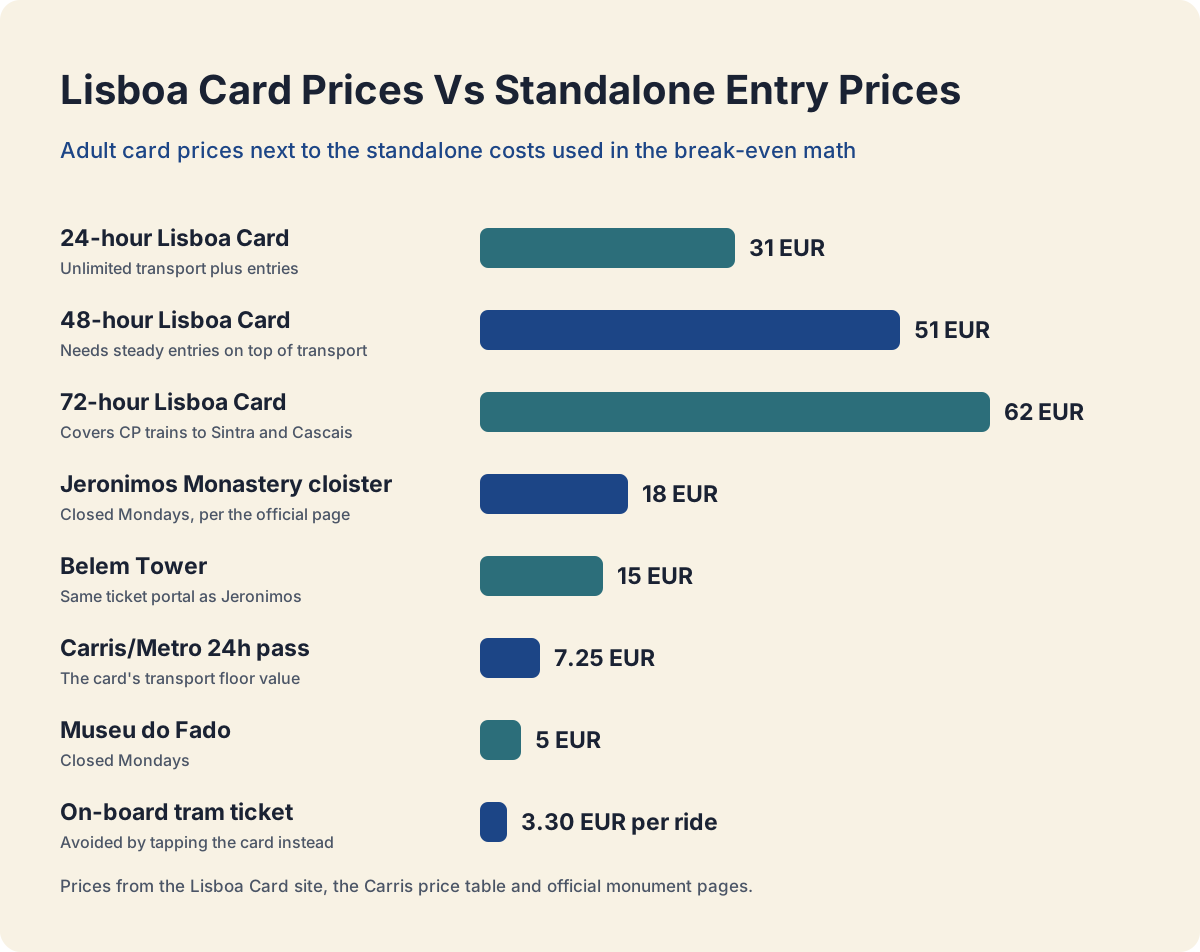
A 24-hour Lisboa Card costs 31 EUR for an adult. A single Carris or Metro ticket costs 1.90 EUR, and the Jeronimos Monastery cloister alone costs 18 EUR at the official ticket page. Those three numbers are the entire debate: the card is a transport pass stapled to a stack of attraction entries, and it either pays for itself by lunchtime on day one or it quietly loses to a single well-chosen tour with tickets included. This guide runs the arithmetic using only printed card prices, printed monument prices and this site's verified tour prices, so you can decide before you buy either one.
The comparison matters because many of Lisbon's most-visited monuments are exactly the stops that tours already bundle. The Belem and Jeronimos Monastery tour from 69 EUR includes the monastery entry, and the Sintra small-group tour from 39 EUR moves the whole Pena-and-Regaleira ticketing problem onto the operator. Meanwhile the card's strength is the opposite: it rewards the traveler who moves fast, enters a lot of paid sights and needs the trains to Sintra and Cascais anyway.
What The Lisboa Card Actually Includes
The card covers unlimited Carris, Metro, tram and funicular rides plus CP trains to Sintra and Cascais, and grants free entry to more than 50 attractions, for 24, 48 or 72 consecutive hours from first use. Adult prices are 31, 51 and 62 EUR. What it does not include is a guide, a route or a reserved time slot at any monument.
The card is sold as 24, 48 or 72 consecutive hours starting at first use, and you can buy it up to 28 days ahead and tap it on transport or at attraction entrances, per the official Lisboa Card site. Transport coverage means the trams, the Metro, Carris buses and the CP urban trains to Sintra and Cascais, which on their own would otherwise cost 1.90 EUR per single or 7.25 EUR for a 24-hour Carris and Metro pass. The attraction list runs past 50 sights; the full, current list lives on the card's own site, and that is where you should confirm any specific museum before counting it in your break-even math.
Two practical caveats shape everything below. First, the card gives you entry, not priority: at sights with timed entry, such as the Pena palace interior, a date-and-slot reservation system applies, and the card does not jump that queue. Second, the funicular question cuts both ways: the Gloria, Bica and Lavra funiculars and the Santa Justa lift are closed to passengers, check Carris for the current status, while the Graca funicular runs again. Funicular rides are nominally included in the card, but only the ones actually carrying passengers count toward its value.
Compare that with what a tour sells. The three-hour small-group walk through Rossio, Chiado and Alfama from 22 EUR, or the Best of Lisbon small-group walk from 19 EUR with a meal included, sells a route, a guide's commentary and a fixed meeting point. The card sells access. Neither is a substitute for the other, and the honest answer for most visitors is some mix of the two.
The Break-Even Math: When The Card Pays For Itself
A 24-hour card at 31 EUR breaks even with roughly two expensive monuments plus a day of transport: Jeronimos at 18 EUR plus the Belem Tower at 15 EUR already tops 31 EUR on their own, and adding the 7.25 EUR transport day pushes the standalone total roughly a third higher again. If you only enter one paid sight, the card loses money.
Run the numbers yourself with the official prices. The Carris price table lists the single ticket at 1.90 EUR and the 24-hour Carris and Metro pass at 7.25 EUR, with an on-board tram ticket at 3.30 EUR if you board without a preloaded card. The Jeronimos Monastery page lists the adult cloister ticket at 18 EUR, with the same portal selling Belem Tower at 15 EUR for adults. Plug those into a 24-hour card and the table writes itself.
| Item | Standalone adult price | Notes |
|---|---|---|
| Carris/Metro 24h pass | 7.25 EUR | The card's transport floor value |
| Jeronimos Monastery cloister | 18 EUR | Closed Mondays, per the official page |
| Belem Tower | 15 EUR | Same ticket portal as Jeronimos |
| Museu do Fado | 5 EUR | Closed Mondays |
| On-board tram ticket avoided | 3.30 EUR per ride | With the card you tap instead |
Add the first three rows together and the standalone total sits comfortably above the 31 EUR card price: the two monument tickets alone already exceed it before a single tram ride, and every additional entry widens the gap in the card's favor. Add the Museu do Fado and the margin grows further. But flip the scenario: a visitor who walks Belem's free waterfront, skips the cloister and rides one tram spends maybe 5 EUR on transport and nothing on entries. That visitor pays 31 EUR for a fraction of that in value, and the card is a clear loss.
The same logic scales to the longer cards. The 48-hour card at 51 EUR needs a steady stream of entries per day on top of transport to pull ahead, which two monument-heavy days easily deliver. The 72-hour card at 62 EUR averages just under 21 EUR per day, and by day three most visitors have added Sintra, where the CP train from Rossio, about 40 minutes each way, is already covered.
There is a second, subtler cost the card never covers: your time at the ticket window and at the timed-entry gate. The card is a stack of entries, not a schedule, and travelers who misjudge walking distances between monuments routinely end the day having used two of five planned entries. A tour converts that same budget into a fixed itinerary, which is precisely why the next two sections compare the card against the two tours that overlap it most.
Belem Showdown: The Card Versus A Monastery Tour With Tickets
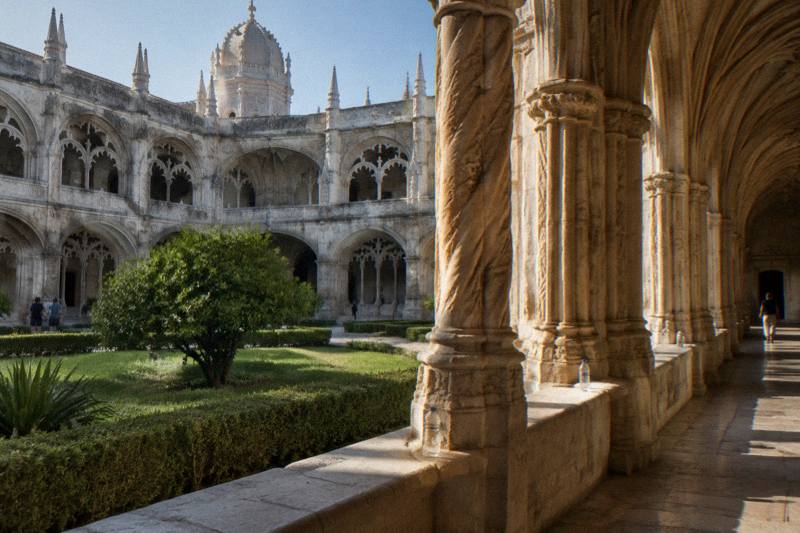
The card gets you into Jeronimos for the marginal cost of zero; the 69 EUR Belem and Jeronimos tour gets you in with a guide, a route and a pastel de Belem, at 4.9 from 1,285 reviews. If Belem is your only paid stop, the card wins on price; if you want the monastery explained, the tour wins outright.
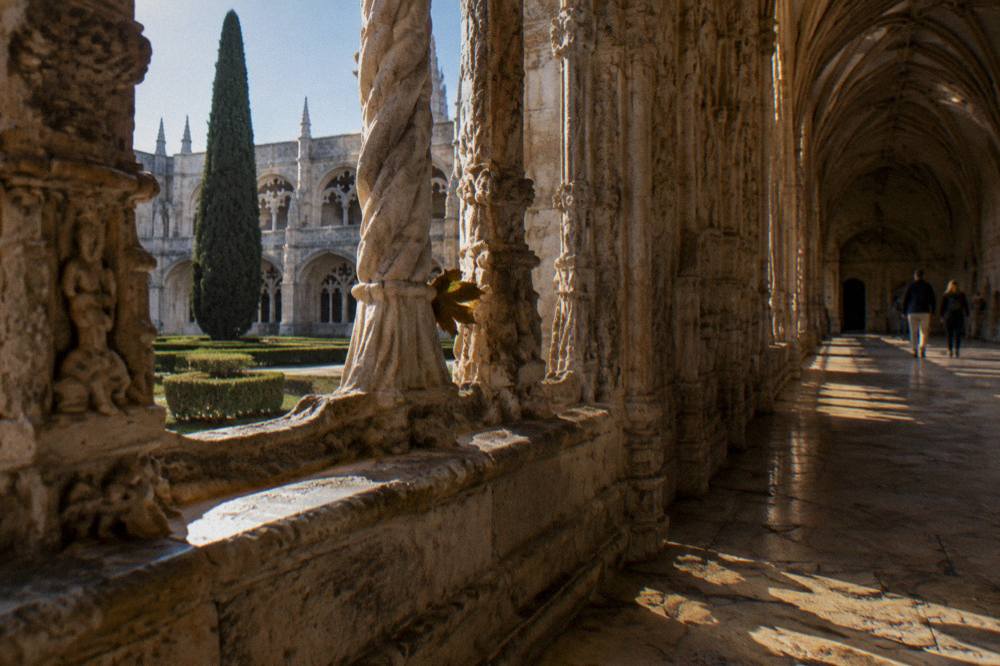
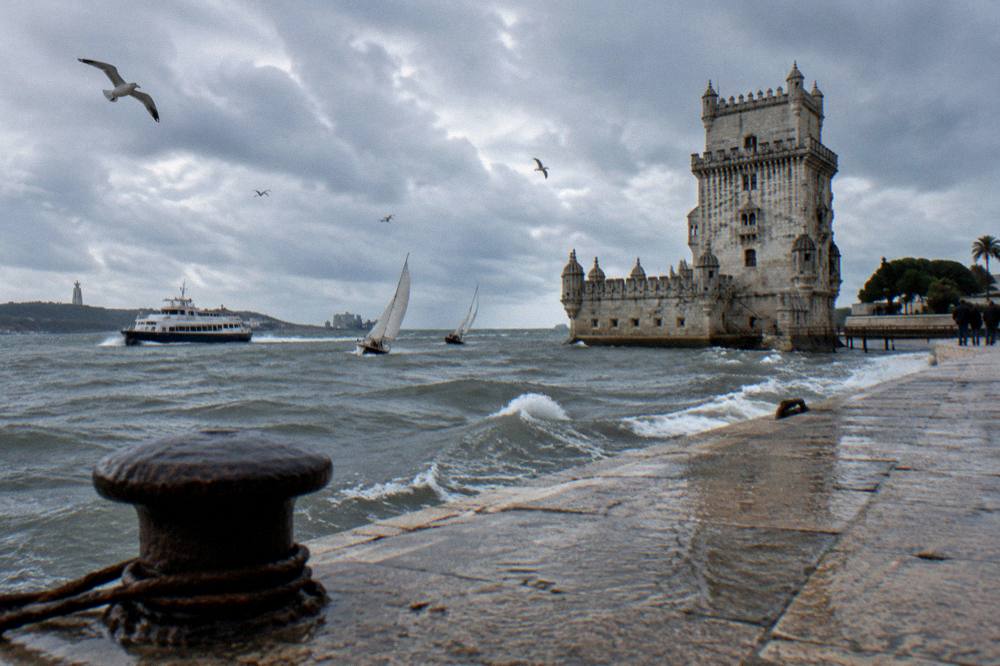
Belem is where the overlap is most direct. On the card, a morning in Belem costs the monastery entry at 0 EUR marginal, the Belem Tower at 0 EUR, the tram or train out there at 0 EUR, and you keep your own schedule. Standalone, the same morning costs 18 EUR plus 15 EUR plus transport. The touring alternative is the Belem and Jeronimos Monastery tour, a three-hour guided walk from 69 EUR per person that bundles the monastery tickets with the tour and includes the famous custard tart, running at 4.9 from 1,285 reviews. The listing is flagged with free cancellation and the window varies per listing, so check the booking page.
The honest comparison is not 31 versus 69 EUR, because the two products do different jobs. The tour's 69 EUR buys roughly the monument-and-food value plus a guide through a Manueline cloister that rewards explanation; the card's 31 EUR buys the same entries plus everything else you can cram into 24 hours. A traveler pairing the card with a self-guided Belem morning and an afternoon in the Museu do Fado extracts far more than either single purchase offers.
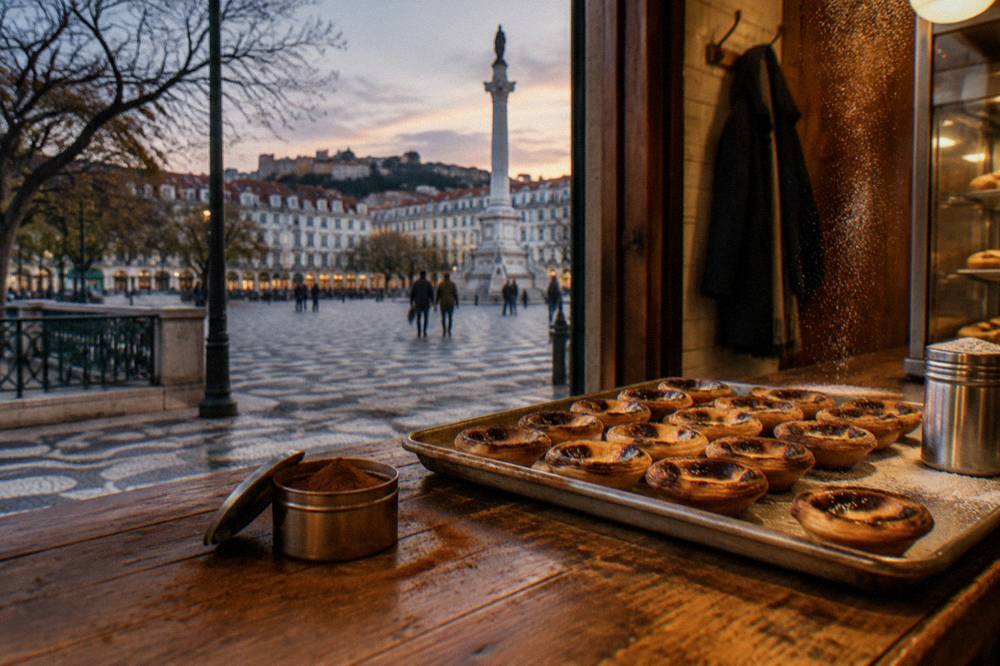
One timing note from the official pages: the Jeronimos cloister runs Tuesday to Sunday, 9:30 to 17:30, and is closed Mondays, as is the Museu do Fado. Card holders who arrive on a Monday discover that the card's two cheapest headline entries are both shut, a scheduling trap that tours dodge by simply not operating the format that day. Pastel de Belem, the original custard tart, runs about 1.50 EUR at the counter and is never included in any card, tour or not.
If you lean toward the guided side of Belem, the broader walking tours cluster includes shorter and cheaper formats too, including a small-group Belem walk from 32.88 EUR without monastery tickets, useful when the card is already covering your entries and you only want the commentary.
Sintra Showdown: Trains Covered, Palaces Not Necessarily
The card covers the roughly 40-minute CP train from Rossio to Sintra, but timed palace tickets are a separate reservation system; the 39 EUR small-group Sintra tour moves tickets and timing onto the operator. For a first Sintra day, the tour is usually the calmer purchase; for a second day, the card's train coverage is pure win.
Sintra is the card's most misunderstood territory. The train is genuinely covered: direct CP urban trains run about every 20 minutes from Rossio and take about 40 minutes, and the card includes them. But the palaces are the expensive part. The Parques de Sintra price page lists the Pena Essential Visit at 20 EUR for adults with a mandatory date reservation and timed slots for the palace interior, Regaleira at 20 EUR with timed entry, and the Moorish Castle at 12 EUR. Whether a card covers a given Sintra monument depends on the current attraction list on the card's own site, so verify Pena specifically before you build a day around it. Even where entry is covered, the timed-slot reservation still applies: the card does not dissolve the booking system.
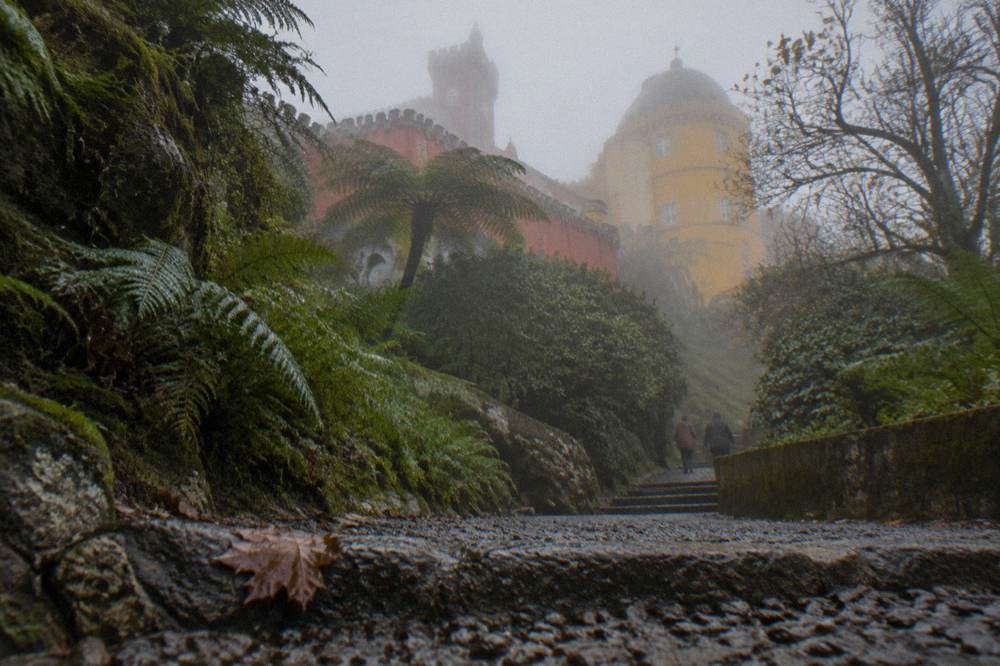
That is why the ticketed tour exists. The Sintra, Pena, Regaleira, Cabo da Roca and Cascais small-group tour, from 39 EUR per person with a 4.9 rating from 1,162 reviews, handles palace tickets and the day's sequencing in one purchase, with pickup included and a max of 8 travelers. Against a solo card day in Sintra, the tour trades a higher cash outlay for the removal of the two things that most often go wrong: missed timed slots and the bus-and-shuttle logistics up the hill, where the Pena shuttle add-on runs 4.5 EUR round trip and the 434 circuit bus about 4.55 EUR single. Traffic rules add friction for independent travelers too, with tour buses barred from Volta do Duche and ride-hail cars limited to designated zones.
The deeper comparison lives in the dedicated Sintra train or tour guide, and the full set of operators is on the Sintra day trips cluster. The short version for card math: a two-day Lisbon-plus-Sintra itinerary on a 48-hour card at 51 EUR, with covered trains and covered Belem entries, beats the tour only if your palace entries are also covered and you are confident managing timed slots alone.
Where The Card Wins And Where It Quietly Fails
The card wins for fast-moving, monument-dense itineraries over 48 to 72 hours, especially with Sintra and Cascais trains in the mix. It fails for slow travelers, Sunday-and-Monday visitors facing closures, families doing mostly free sights, and anyone whose real goal is a guide's commentary rather than access.
The failure modes are predictable enough to list. A visitor who spends two days wandering Alfama's lanes, the viewpoints and the riverside, all free, uses the card almost purely as a transport pass and would have been better off with two 7.25 EUR day passes. A visitor arriving on a Sunday hits Monday's Jeronimos and Museu do Fado closures inside a 48-hour window. And the card never buys what many travelers actually came for: someone to explain what they are looking at.
| Traveler type | Card verdict | Why |
|---|---|---|
| Two monuments a day, using trains to Sintra or Cascais | Clear win | Entries plus rail outpace 31 to 62 EUR quickly |
| Mostly free sights, slow pace | Loss | Day passes at 7.25 EUR cover the same transport |
| Wants guided commentary | Wrong tool | The card sells access, not a guide |
| Short 24-hour stay, one paid monument | Loss | An 18 EUR entry plus transport stays under 31 EUR |
| Museum-dense 72-hour visit | Strong win | Card price per day falls while entries stack |
The card also interacts with the hills in a way worth knowing before you buy. With the Gloria, Bica and Lavra funiculars and the Santa Justa lift closed to passengers, check Carris for the current status, and only the Graca funicular running again, the card's funicular coverage is thinner than the brochure implies. The practical hill workarounds are trams, buses and the electric bikes that several operators run: the Hills, Alfama and Mouraria e-bike tour from 25 EUR exists precisely because the lift-based routes are unreliable right now (see Lisbon Safety For Americans).
Commentary, meanwhile, has cheap options. The site's free things to do guide covers the no-cost side of the city, and tip-based free walking tours cover the guided side; those live on the free walking tours cluster page. The card and a free walk stack perfectly: one covers your rides home, the other your storytelling.
How The Card Compares With Small-Group City Tours
A three-hour small-group walking tour from 19 to 70 EUR buys a route, a guide and often a meal or tastings; the card buys unlimited rides and entries. They overlap only on transport to the meeting point, so most visitors buy both: a tour for the first day's orientation, the card for the days that follow.
The Best of Lisbon small-group walking tour, from 19 EUR per person, rated 4.9 from 5,542 reviews and capped at 14 guests, includes a meal, which makes it cheaper than the card while doing something the card cannot: compressing the city's layout and history into three to four hours. A guest review on the listing calls it a perfect afternoon with the history explained in an informative and entertaining way. The food-and-wine small-group walk from 70 EUR, 4.9 from 5,097 reviews, does the same for the table, with tastings standing in for monuments entirely.
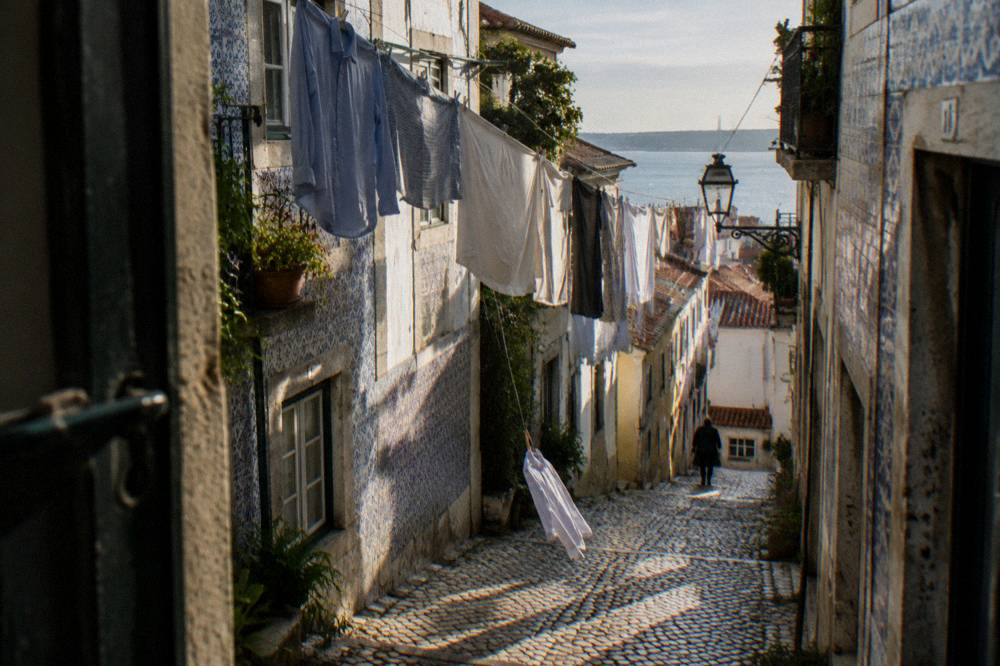
Stack that against the card and the pattern is clear: tours are fixed-cost, fixed-time experiences with a human attached, while the card is an access subscription with a clock on it. The classic first-timer sequence is a guided walk on day one, then a 48-hour card activated on day two for Belem, Sintra and the museums. Activating the card on day two rather than at the airport, a 1.90 EUR Metro ride plus a 0.50 EUR card fee, is one of the easiest small savings in Lisbon logistics.
Three Sample Budgets: Card Only, Tours Only, The Mix
A card-only two days cost 51 EUR plus any uncovered palace tickets; the two overlapping tours alone cost just over 100 EUR combined with tickets bundled; the mix, one tour plus one card day, lands in the same neighborhood and covers the most ground per euro for a typical first visit.
The three rows below use only this article's printed prices: the 48-hour card at 51 EUR, the Belem monastery tour at 69 EUR, the Sintra ticketed tour at 39 EUR, and the palace prices from the Parques de Sintra page.
| Approach | Cash outlay | What is covered | What is not |
|---|---|---|---|
| Card only, 48 hours | 51 EUR | All transport, Jeronimos, Belem Tower, Fado museum, trains to Sintra and Cascais | Guided commentary; any palace entry outside the card list; timed-slot discipline is yours |
| Tours only | 69 EUR plus 39 EUR | Belem with monastery tickets and a tart, Sintra with palace tickets, guides throughout | Every other transport ride and entry |
| The mix | 31 EUR card plus 39 EUR tour plus 19 EUR walk | Day one guided walk, day two 24-hour card plus the Sintra tour | Lunches and anything outside those scopes |
The mix wins for most first visits because it respects what each product is good at. It also leaves room for the experiences no card touches: the sunset and wine sailing tour at 4.9 from 2,921 reviews, from 55 EUR for two hours, or the traditional fado show with wine from 15 EUR, rated 4.8 from 7,184 reviews. Neither appears on any attraction list, and neither should: they are evenings, not entries, which is exactly the distinction the card cannot make.
For readers pricing several days, the best time to visit Lisbon guide matters more than it first appears: October and the May shoulder bring smaller queues at exactly the timed-entry sights where a card holder loses the most waiting time. And when the budget turns to tours, Lisbon Portugal Tours has that side covered too, from a €19 walking tour to a €155 private Sintra day, all with free cancellation.
Common Questions About The Lisboa Card
Is the Lisboa Card worth it for one day in Lisbon?
Only if that day is monument-dense. A 24-hour card costs 31 EUR; Jeronimos at 18 EUR plus the Belem Tower at 15 EUR already exceeds it, before any transport. One paid monument plus a tram ride does not come close, and a plain 24-hour Carris and Metro pass at 7.25 EUR is the better buy.
Does the Lisboa Card include trains to Sintra and Cascais?
Yes, the card includes the CP urban trains to both, roughly a 40-minute ride from Rossio to Sintra, per the official card site. Palace tickets are a separate question: Pena uses mandatory date-reserved timed slots at 20 EUR for the Essential Visit, and you should confirm current coverage of each monument on the card's own attraction list before relying on it.
Is the Lisboa Card or a tour better for Belem?
The card covers the Jeronimos entry, worth 18 EUR standalone, so a purely budget Belem morning favors the card. The three-hour Belem and Jeronimos Monastery tour, from 69 EUR, 4.9 from 1,285 reviews, adds the guide, the route and a pastel de Belem. If commentary matters to you, the tour; if pace matters, the card.
Does the Lisboa Card skip the lines at monuments?
No. The card grants entry, not priority, and at sights with timed entry, such as the Pena palace interior, the reservation slot is checked regardless of how you paid. Jeronimos is closed Mondays and the Museu do Fado is closed Mondays too, so plan card days around those closures.
Can I use the Lisboa Card on the funiculars?
Funiculars are nominally included, but the Gloria, Bica and Lavra funiculars and the Santa Justa lift are closed to passengers; check Carris for the current status. The Graca funicular runs again. In practice, treat trams and buses as your hill transport.
Where do I check what the Lisboa Card includes right now?
The official card site lists every included attraction and the current 31, 51 and 62 EUR adult prices for 24, 48 and 72 hours. Always verify a specific museum or palace on that list before counting it in your break-even math, because the list changes and timed-entry monuments still require reservations.